Table of Contents

- UPI Security Challenges and the Path to Stronger Digital Payments
- UPI Security Vulnerabilities and Cyber Threats
- Financial Sustainability of Digital Payments
- Gaps in Formal Lending and Financial Infrastructure
- Essential Cybersecurity Infrastructure Improvements
- Stakeholder Collaboration and Governance
- User Education and Awareness
- Regulatory and Policy Considerations
- Key Takeaways
- FAQ
UPI Security Challenges and the Path to Stronger Digital Payments
India's digital payment ecosystem has experienced remarkable growth over the past decade, with the Unified Payments Interface (UPI) emerging as a cornerstone of financial inclusion. However, recent scrutiny from the standing committee on finance has brought critical UPI security concerns to the forefront, highlighting the urgent need for comprehensive cybersecurity improvements and sustainable fi

The standing committee's assessment reveals significant gaps in the current UPI framework, particularly regarding cybersecurity infrastructure, financial sustainability, and formal lending mechanisms. Understanding these challenges and the recommended solutions is essential for stakeholders committed to strengthening India's payment infrastructure.
UPI Security Vulnerabilities and Cyber Threats
The UPI platform processes millions of transactions daily, making it an attractive target for cybercriminals and threat actors. The committee's concerns extend beyond simple technical vulnerabilities to encompass systemic risks that could compromise the entire digital payment ecosystem.
One of the primary security challenges involves authentication mechanisms. While UPI employs multiple layers of verification, including PIN-based authentication and biometric options, these systems remain vulnerable to social engineering attacks, phishing schemes, and credential compromise. Fraudsters have increasingly sophisticated methods to trick users into revealing sensitive information or authorizing unauthorized transactions.
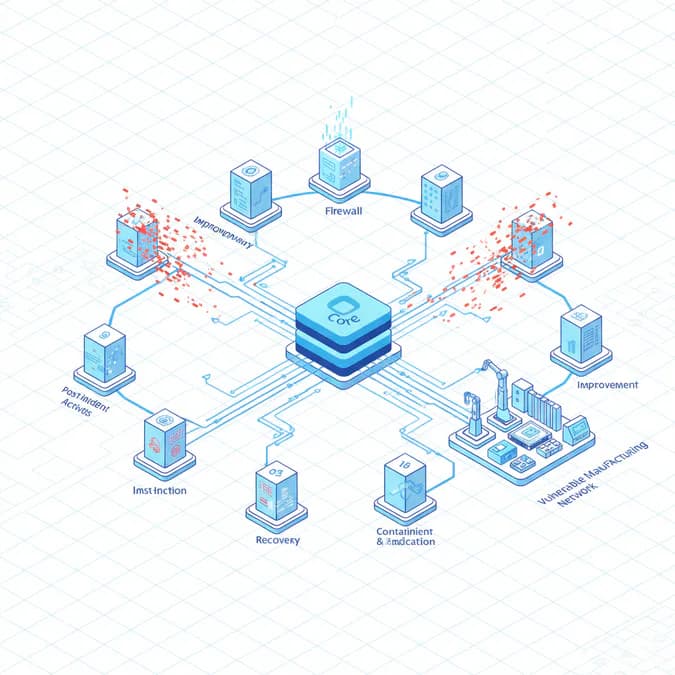
Another critical vulnerability lies in the interconnected nature of the UPI network. The system connects multiple banks, payment service providers, and third-party applications, creating numerous potential entry points for cyber attacks. Each connection point represents a potential security risk that requires robust monitoring and protection.
Data security and privacy concerns also feature prominently in the committee's assessment. UPI transactions generate vast amounts of sensitive financial data, including user information, transaction histories, and banking credentials. Protecting this data from unauthorized access, interception, and misuse requires continuous investment in encryption technologies, secure data storage, and access controls.
Financial Sustainability of Digital Payments
Beyond cybersecurity, the committee flagged concerns about the long-term financial viability of the UPI ecosystem. The current model relies heavily on transaction volumes and merchant participation, but the sustainability of this approach remains uncertain.
The financial sustainability challenge involves balancing accessibility with profitability. UPI was designed to democratize digital payments and promote financial inclusion, which often means operating on thin margins or subsidized rates. However, maintaining robust cybersecurity infrastructure requires significant capital investment, creating tension between affordability and security.
The committee's concerns suggest that current revenue models may be insufficient to fund the continuous security upgrades, infrastructure improvements, and threat monitoring necessary to maintain a secure payment system. This financial pressure could lead to deferred security investments, creating vulnerabilities that threaten the entire ecosystem.
Gaps in Formal Lending and Financial Infrastructure
The committee also identified gaps in formal lending mechanisms that complement the UPI ecosystem. While UPI excels at facilitating peer-to-peer and merchant payments, the integration with formal lending systems remains underdeveloped.
These gaps create opportunities for informal lending channels and unregulated financial services to fill the void, potentially introducing additional security and fraud risks. Without robust formal lending integration, users may turn to less secure alternatives, undermining the security benefits of the UPI platform.
The lack of comprehensive lending integration also limits the potential for UPI to serve as a complete financial solution, reducing its utility for users and potentially limiting transaction growth that could support financial sustainability.
Essential Cybersecurity Infrastructure Improvements
Addressing these concerns requires a multi-faceted approach to cybersecurity enhancement. The committee's findings suggest several critical areas for improvement:
Advanced Threat Detection and Response
Implementing sophisticated monitoring systems capable of identifying suspicious patterns, unusual transaction behaviors, and potential fraud attempts in real-time. This requires investment in artificial intelligence and machine learning technologies that can analyze massive transaction volumes and identify anomalies before they escalate into significant security incidents.
Encryption and Data Protection
Strengthening encryption protocols for data in transit and at rest, ensuring that sensitive financial information remains protected throughout the transaction lifecycle. This includes implementing end-to-end encryption for sensitive communications and secure key management systems that prevent unauthorized access to encryption keys.
Authentication Enhancement
Moving beyond traditional PIN-based authentication to implement more robust verification methods, including multi-factor authentication, biometric verification, and behavioral analysis. These measures should balance security with user convenience, ensuring that enhanced security doesn't create barriers to adoption.
Regular Security Audits and Penetration Testing
Conducting comprehensive security assessments to identify vulnerabilities before they can be exploited. This includes regular penetration testing, vulnerability scanning, and security code reviews performed by independent security experts.
Incident Response Capabilities
Developing robust incident response procedures and maintaining rapid response teams capable of addressing security breaches and cyber attacks. This includes clear communication protocols, forensic investigation capabilities, and recovery procedures that minimize damage and restore service quickly.
Stakeholder Collaboration and Governance
The committee's recommendations implicitly suggest that addressing these challenges requires coordinated action among multiple stakeholders, including regulatory bodies, banks, payment service providers, and technology companies.
Effective governance frameworks must establish clear security standards, compliance requirements, and accountability mechanisms. Regulatory bodies need to balance innovation with security, ensuring that new features and services don't introduce unacceptable risks.
Information sharing among stakeholders is critical for identifying emerging threats and coordinating responses. Industry consortiums and information sharing platforms can facilitate the exchange of threat intelligence and best practices, enabling faster identification and mitigation of emerging threats.
User Education and Awareness
While technical security measures are essential, user education plays an equally important role in protecting the UPI ecosystem. Many security breaches result from user error, social engineering, or lack of awareness about security best practices.
Comprehensive user education programs should cover topics including password security, phishing recognition, safe transaction practices, and fraud reporting procedures. These programs should be tailored to different user segments, recognizing that UPI users have varying levels of digital literacy and security awareness.
Regulatory and Policy Considerations
The committee's findings suggest the need for updated regulatory frameworks that address emerging cybersecurity challenges while promoting innovation and financial inclusion. Current regulations may not adequately address new threat vectors or the evolving nature of cyber attacks.
Policy recommendations should include mandatory security standards, regular compliance audits, and clear liability frameworks that incentivize security investments. Additionally, regulations should address the financial sustainability challenge by establishing viable business models that support continuous security improvements without compromising accessibility.
Key Takeaways
The standing committee's assessment of UPI security and financial sustainability represents a critical evaluation of India's digital payment infrastructure. The identified gaps in cybersecurity, financial viability, and formal lending integration require comprehensive, coordinated responses from all stakeholders.
Addressing these challenges presents an opportunity to build a more resilient, secure, and sustainable digital payment ecosystem. By implementing recommended cybersecurity improvements, establishing viable financial models, and integrating formal lending mechanisms, India can strengthen UPI's position as a global leader in digital payments.
The committee's assessment serves as a critical wake-up call for all stakeholders. The time for incremental improvements has passed; comprehensive, strategic action is now essential to ensure that UPI remains secure, viable, and beneficial for all users. Success requires sustained commitment to security investments, regulatory clarity, and collaborative governance that balances innovation with protection.
FAQ
What are the main UPI security concerns?
The main UPI security concerns include vulnerabilities in authentication mechanisms, data privacy issues, and the interconnected nature of the UPI network that exposes it to cyber threats.
How can UPI security be improved?
UPI security can be improved through advanced threat detection, enhanced encryption, robust authentication methods, regular security audits, and user education programs.
Why is financial sustainability important for UPI?
Financial sustainability is crucial for UPI as it ensures continuous investment in cybersecurity infrastructure and the ability to adapt to evolving threats while maintaining accessibility for users.