CBSE Data Breach: 5 Essential Facts About the Alleged Hack
CBSE denies security breach in OSM evaluation system after student hacker’s claims
Explore the CBSE data breach, its implications for student data security, and essential measures to protect sensitive information.
The Central Board of Secondary Education (CBSE) is currently addressing claims of a potential security breach within its online evaluation systems. These claims, originating from a student who alleges to have gained unauthorized access, have raised concerns about the security of sensitive student data. While the student asserts access to multiple domains, the CBSE maintains that the core On Screen Marking (OSM) system used for evaluating Class 12 exams remains secure and uncompromised. This incident serves as a critical reminder of the importance of cybersecurity in protecting sensitive information from data breaches.
This situation highlights the ever-present challenges in cybersecurity, particularly for organizations handling large volumes of sensitive data. Educational institutions, like CBSE, are increasingly becoming targets for cyberattacks, making robust security measures paramount.
What Happened?
The core of the issue revolves around a student's claim of successfully accessing an internal testing platform associated with the CBSE's online evaluation process. The student alleges that this access extended to multiple domains, potentially exposing sensitive information. However, the CBSE has issued a statement clarifying that the student accessed a testing environment, not the live OSM system used for actual evaluation. The board emphasizes that no actual evaluation data was compromised during this alleged incident.
The student, however, disputes the CBSE's account, suggesting that the access gained was more significant than the board acknowledges. This discrepancy in narratives underscores the difficulty in accurately assessing the scope and impact of potential security breaches.
CBSE's Response and Security Measures
In response to the claims, the CBSE has reiterated its commitment to data security and has outlined the measures in place to protect sensitive information. These measures likely include:
Firewalls and Intrusion Detection Systems: These systems act as a barrier against unauthorized access to the network and alert administrators to suspicious
activity.
Access Controls: Limiting access to sensitive data based on user roles and permissions, ensuring that only authorized personnel can access specific information.
Encryption: Protecting data both in transit and at rest through encryption, making it unreadable to unauthorized individuals.
Regular Security Audits: Conducting periodic security audits to identify vulnerabilities and weaknesses in the system.
Penetration Testing: Simulating real-world attacks to assess the effectiveness of security measures and identify areas for improvement.
Employee Training: Educating employees about cybersecurity threats and best practices to prevent accidental data breaches.
The CBSE's statement also likely emphasizes its ongoing efforts to enhance its security posture and adapt to evolving cyber threats. This includes staying up-to-date with the latest security technologies and best practices.
The Importance of Cybersecurity in Education
This incident underscores the critical importance of cybersecurity in the education sector. Educational institutions handle vast amounts of sensitive data, including student records, grades, financial information, and personal details. A successful cyberattack can have devastating consequences, including:
Data breaches: Exposing sensitive student and staff information to unauthorized individuals, leading to identity theft and financial fraud.
Disruption of services: Disrupting online learning platforms, administrative systems, and other essential services.
Reputational damage: Damaging the institution's reputation and eroding trust among students, parents, and the community.
Financial losses: Incurring significant costs associated with incident response, data recovery, and legal fees.
To mitigate these risks, educational institutions must prioritize cybersecurity and implement robust security measures. This includes investing in security technologies, training employees, and developing comprehensive incident response plans.
Lessons Learned and Future Implications
Regardless of the ultimate outcome of this specific incident, it serves as a valuable learning opportunity for the CBSE and other educational institutions. Key takeaways include:
The need for continuous vigilance: Cybersecurity is an ongoing process that requires constant monitoring, assessment, and improvement.
The importance of transparency: Open communication with stakeholders is crucial in building trust and managing reputational risk.
The value of independent security assessments: Engaging external security experts to conduct independent assessments can provide valuable insights and identify vulnerabilities that may be missed internally.
The necessity of robust incident response plans: Having a well-defined incident response plan in place is essential for effectively managing and mitigating the impact of security breaches.
The Bottom Line
The alleged CBSE data breach highlights the growing cybersecurity challenges facing the education sector. While the CBSE maintains that no sensitive evaluation data was compromised, the incident underscores the need for continuous vigilance and robust security measures to protect student data and maintain public trust. The incident serves as a reminder to all educational institutions to prioritize cybersecurity and invest in the necessary resources to mitigate cyber risks.
This situation also emphasizes the importance of responsible disclosure. While the student may have believed they were acting in good faith by exposing a vulnerability, unauthorized access to computer systems is illegal and can have serious consequences. Ethical hacking and bug bounty programs provide a more responsible and legal avenue for reporting vulnerabilities.
What This Means
For parents and students, this incident serves as a reminder to be vigilant about protecting their personal information online. It's essential to use strong passwords, be wary of phishing scams, and report any suspicious activity to the appropriate authorities. For educational institutions, this incident underscores the need to prioritize cybersecurity and invest in the necessary resources to protect student data and maintain public trust. The ongoing investigation and subsequent actions taken by the CBSE will be closely watched by the education sector and cybersecurity community alike.
Frequently Asked Questions (FAQ)
What is a data breach?
A data breach is an incident where unauthorized individuals gain access to sensitive information, potentially leading to identity theft and other malicious activities.
How can educational institutions prevent data breaches?
Educational institutions can prevent data breaches by implementing robust cybersecurity measures, conducting regular security audits, and training employees on best practices.
What should students do if they suspect a data breach?
If students suspect a data breach, they should report it immediately to their institution and monitor their personal information for any signs of unauthorized access.
Key Takeaways
This incident serves as a critical reminder of the importance of cybersecurity in educational institutions. Continuous vigilance, transparency, and robust security measures are essential to protect sensitive data from potential breaches.
Additionally, educational institutions must invest in training and technology to safeguard against cyber threats, ensuring the safety and security of student information.
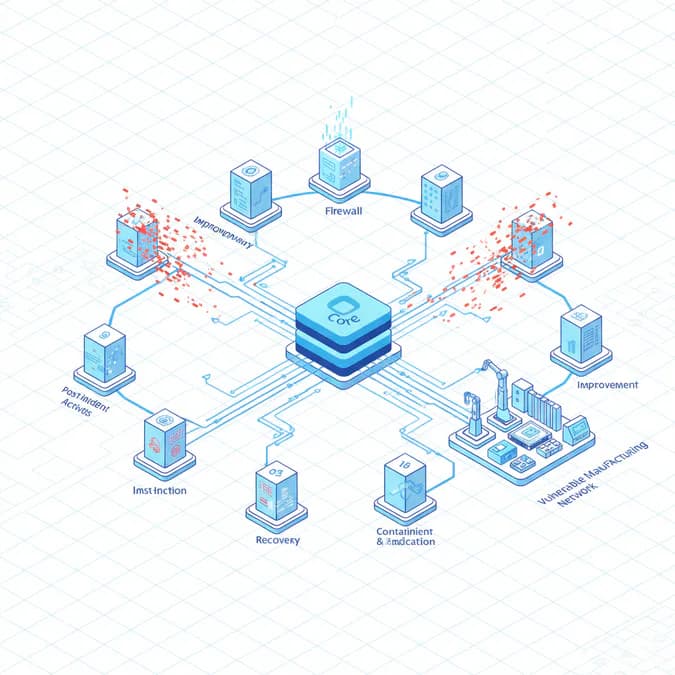
Discover essential steps for effective cyber attack response in manufacturing, based on NIST SP 1800-41. Enhance your incident response and recovery strategies.