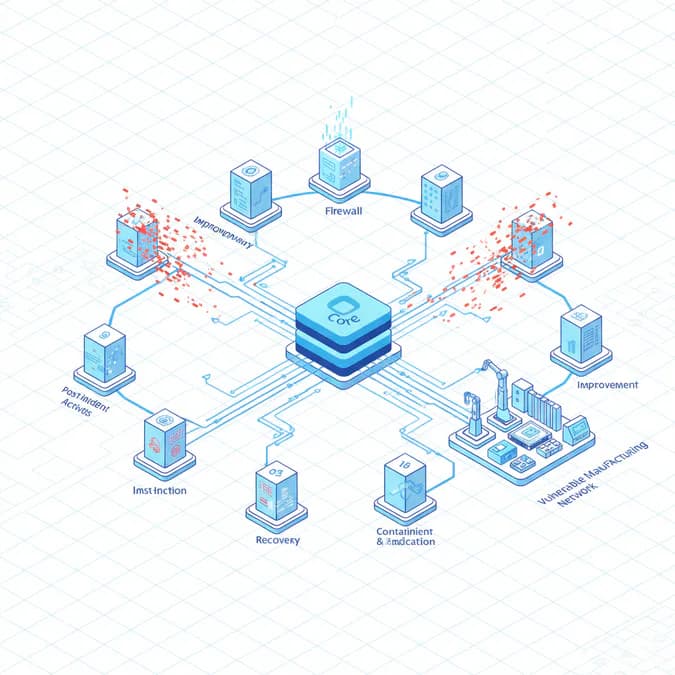
In today's interconnected digital landscape, endpoint security has emerged as a fundamental pillar of comprehensive cybersecurity strategies. As organizations continue to expand their digital infrastructure and embrace remote work models, the importance of protecting every device that connects to a network has never been more critical.
What Is Endpoint Security?
Endpoint security refers to the practice of securing end-user devices such as desktops, laptops, mobile phones, tablets, and servers from cyber threats. These devices, known as endpoints, serve as entry points to an organization's network and represent potential vulnerabilities that malicious actors can exploit. Endpoint security solutions work to protect these access points from being compromised by cybercriminals seeking to steal data, deploy ransomware, or gain unauthorized network access.
The Evolution of Endpoint Protection
Traditional antivirus software once served as the primary defense mechanism for endpoints. However, as cyber threats have grown more sophisticated, endpoint security has evolved into a comprehensive approach that combines multiple protective technologies. Modern endpoint security platforms integrate threat detection, response capabilities, data encryption, and behavioral analysis to provide layered defense mechanisms.
Why Endpoint Security Matters
The proliferation of endpoints in modern organizations has created an expanded attack surface for cybercriminals. With the rise of remote work, bring-your-own-device (BYOD) policies, and Internet of Things (IoT) devices, organizations now manage thousands of endpoints that require protection. A single compromised endpoint can serve as a gateway for attackers to infiltrate entire networks, steal sensitive data, or disrupt business operations.
Recent cybersecurity incidents have demonstrated that endpoint vulnerabilities remain among the most exploited attack vectors. Ransomware attacks, in particular, often begin with a compromised endpoint, making robust endpoint security essential for preventing costly breaches and maintaining business continuity.
Key Components of Endpoint Security
Comprehensive endpoint security solutions typically include several critical components. Antivirus and anti-malware protection form the baseline defense, detecting and removing known threats. Advanced threat detection capabilities use machine learning and behavioral analysis to identify zero-day exploits and sophisticated attacks. Data loss prevention features help prevent sensitive information from leaving the organization through endpoints, while encryption protects data both at rest and in transit.
Endpoint detection and response (EDR) capabilities have become increasingly important, providing real-time monitoring, threat hunting, and automated response to security incidents. These features enable security teams to quickly identify, investigate, and remediate threats before they cause significant damage.
The Growing Market
The endpoint security market has experienced substantial growth as organizations recognize the critical importance of protecting their distributed workforce and device ecosystems. Companies specializing in endpoint protection continue to innovate, developing solutions that leverage artificial intelligence, cloud-based architectures, and automated response capabilities to stay ahead of evolving threats.
As cyber threats continue to evolve in complexity and frequency, endpoint security will remain a top priority for organizations across all industries. Understanding the fundamentals of endpoint protection and selecting appropriate solutions has become essential for maintaining robust cybersecurity postures in an increasingly digital world.