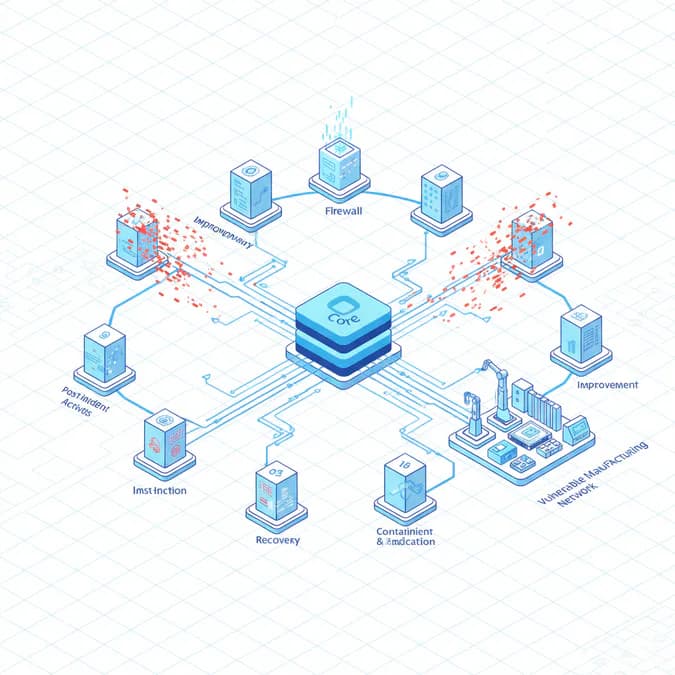
Businesses across the UK are being urged to carefully evaluate their managed service provider (MSP) arrangements following new cybersecurity guidance from the National Cyber Security Centre (NCSC). This updated guidance provides critical recommendations for organizations seeking to strengthen their IT support infrastructure and reduce cyber risks. Connectus Business Solutions has highlighted the importance of this guidance, emphasizing that the choice of managed service provider can significantly impact an organization's overall security posture. Therefore, effective managed service provider selection is crucial for maintaining cybersecurity.
Why MSP Selection Matters for Cybersecurity
With cyber threats evolving constantly, businesses must ensure their MSPs meet rigorous security standards and can effectively protect their digital assets. The NCSC's new guidance recognizes that many organizations rely on external IT support providers to manage critical infrastructure, making the selection process a fundamental component of cybersecurity strategy. A poorly chosen MSP can introduce significant vulnerabilities, while a well-vetted provider strengthens an organization's overall security posture.
The decision to engage an MSP should not be made lightly. Organizations must understand that their MSP becomes an extension of their security infrastructure, with direct access to sensitive systems and data. This responsibility demands thorough evaluation and ongoing oversight.
Key Considerations When Selecting an MSP
When evaluating potential managed service providers, organizations should assess several critical factors:
Security Certifications and Compliance Standards
Security certifications should be a primary consideration. Businesses should verify that their MSP holds relevant certifications such as ISO 27001, which demonstrates a commitment to information security management. Additional certifications such as SOC 2 Type II compliance provide further assurance of security controls and operational effectiveness.
Incident Response Capabilities
The NCSC guidance recommends that organizations examine their MSP's incident response capabilities. A robust incident response plan is essential for minimizing damage when security breaches occur. Businesses should understand how their MSP will respond to security incidents, including notification procedures, remediation timelines, and escalation paths for critical issues.
Transparency in Service Delivery
Organizations should ensure their MSP provides clear visibility into security monitoring, patch management, and vulnerability assessments. Regular reporting and communication about security status helps businesses maintain oversight of their IT infrastructure and make informed decisions about risk management.
Vetting MSP Security Practices
The NCSC emphasizes the importance of conducting thorough due diligence before engaging an MSP. This includes:
- Reviewing the provider's security policies and procedures
- Evaluating employee vetting and background check processes
- Assessing data handling and encryption practices
- Requesting evidence of security audits and penetration testing results
- Understanding third-party vendor relationships and dependencies
Businesses should also evaluate their MSP's approach to supply chain security. Many MSPs rely on third-party vendors and tools, which can introduce additional security risks. Understanding these dependencies helps organizations identify potential vulnerabilities in their overall security architecture.
Contractual Protections and Service Level Agreements
Service level agreements (SLAs) should clearly define security responsibilities and expectations. The NCSC guidance recommends that contracts include specific security requirements, such as:
- Encryption standards for data in transit and at rest
- Access controls and authentication mechanisms
- Backup and disaster recovery procedures
- Regular security assessments and compliance verification
- Incident notification and response timelines
Organizations should also establish clear expectations regarding data ownership and retention. Contracts should specify how data will be handled if the MSP relationship ends, ensuring organizations can retrieve their information without disruption or loss.
Ongoing Monitoring and Review
Selecting an MSP is not a one-time decision. The NCSC guidance emphasizes the importance of continuous monitoring and periodic reviews of MSP performance. Organizations should establish regular touchpoints to assess whether their MSP continues to meet security standards and business requirements.
Businesses should implement metrics to measure MSP security effectiveness, including incident response times, patch deployment timelines, and vulnerability remediation rates. Regular security reviews help identify gaps and ensure the MSP relationship remains aligned with organizational security objectives.
By following the NCSC's updated guidance and implementing a structured approach to managed service provider selection and management, organizations can significantly reduce their cyber risk exposure and ensure their IT infrastructure remains secure and resilient against evolving threats.
Key Takeaways
1. Thoroughly evaluate potential MSPs based on security certifications and incident response capabilities.
2. Ensure transparency in service delivery and regular communication regarding security status.
3. Establish clear contractual protections and service level agreements to define security responsibilities.
4. Implement ongoing monitoring and review processes to maintain alignment with security objectives.
Frequently Asked Questions
Q1: What is a managed service provider?
A managed service provider (MSP) is a third-party company that remotely manages a customer's IT infrastructure and end-user systems.
Q2: Why is selecting the right MSP important?
Selecting the right MSP is crucial because they play a significant role in your organization's cybersecurity posture and overall IT support.
Q3: How can I ensure my MSP is secure?
Ensure your MSP has relevant security certifications, a robust incident response plan, and transparent service delivery practices.