Table of Contents

- Understanding Backend Systems
- Key Practices for Protecting Sensitive Data
- What This Means for Organizations
- The Bottom Line
- FAQ
Understanding Backend Systems
In today's digital landscape, protecting sensitive data in backend systems is more crucial than ever. With the rise of cyber threats, organizations must adopt robust security measures to safeguard their databases and sensitive information. This article explores essential practices that can help protect sensitive data, ensuring that organizations remain resilient against data breaches and cyberattacks.
Backend systems refer to the server-side components of applications that handle data processing, storage, and management. These systems are responsible for maintaining the integrity and confidentiality of sensitive information, such as personal data, financial records, and proprietary business information. Given the critical role they play, securing backend systems is paramount to prevent unauthorized access and data breaches.
Key Practices for Protecting Sensitive Data
To effectively protect sensitive data in backend systems, organizations should implement a multi-layered security approach. Here are ten essential practices to consider:
1. Encryption
Encryption is one of the most powerful tools for protecting sensitive data. By converting data into a coded format, encryption ensures that even if data is intercepted, it remains unreadable without the appropriate decryption key. Organizations should implement encryption at various levels:
- Data at Rest: Encrypt databases and storage systems to protect data stored on servers.
- Data in Transit: Use secure protocols like HTTPS and TLS to encrypt data transmitted over networks.
- End-to-End Encryption: Ensure that data is encrypted from the point of origin to the final destination, preventing unauthorized access during transmission.
2. Access Control
Implementing strict access control measures is vital for protecting sensitive data. Organizations should adopt the principle of least privilege, granting users only the access necessary to perform their job functions. Key strategies include:
- User Authentication: Require strong passwords and multi-factor authentication (MFA) to verify user identities.
- Role-Based Access Control (RBAC): Assign permissions based on user roles to limit access to sensitive data.
- Regular Audits: Conduct periodic audits of user access logs to identify and address any unauthorized access attempts.
3. Secure Authentication
Secure authentication methods are essential for ensuring that only authorized users can access sensitive data. Organizations should consider implementing the following:
- Multi-Factor Authentication (MFA): Require users to provide two or more verification factors to gain access, such as a password and a one-time code sent to their mobile device.
- Single Sign-On (SSO): Simplify user authentication by allowing users to access multiple applications with one set of credentials, while maintaining security.
- Biometric Authentication: Utilize biometric features, such as fingerprint or facial recognition, for secure access to sensitive data.
4. Data Masking
Data masking is a technique used to protect sensitive information by replacing it with fictitious data. This practice is particularly useful in non-production environments, such as testing and development, where real data is not necessary. Key benefits of data masking include:
- Minimized Risk: Reduces the risk of exposing sensitive data during testing or development.
- Compliance: Helps organizations comply with data protection regulations by ensuring that sensitive information is not exposed unnecessarily.
- Realistic Testing: Allows developers to work with realistic data without compromising security.
5. Regular Security Updates and Patching
Keeping backend systems updated with the latest security patches is critical for protecting sensitive data. Cybercriminals often exploit known vulnerabilities in outdated software. Organizations should establish a routine for:
- Monitoring Vulnerabilities: Regularly assess systems for vulnerabilities and prioritize patching based on risk levels.
- Automating Updates: Where possible, automate the update process to ensure timely application of security patches.
- Testing Updates: Before deploying updates, test them in a controlled environment to ensure compatibility and functionality.
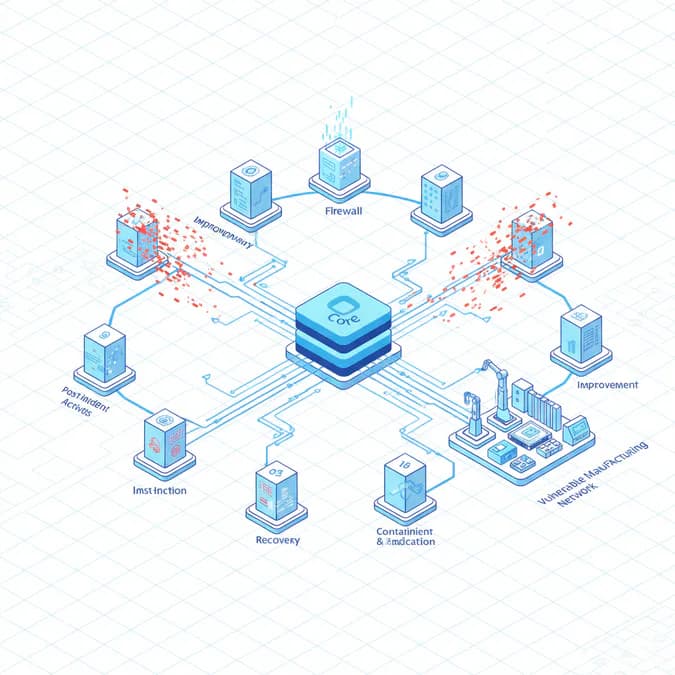
6. Incident Response Planning
Despite best efforts, data breaches can still occur. Having a robust incident response plan in place is essential for minimizing damage and recovering from an attack. Key components of an effective incident response plan include:
- Preparation: Develop and document response procedures, and train staff on their roles during an incident.
- Detection and Analysis: Implement monitoring tools to detect suspicious activity and analyze potential breaches.
- Containment and Eradication: Establish procedures for containing breaches and removing threats from systems.
- Recovery: Plan for restoring systems and data after an incident, ensuring that security measures are strengthened to prevent future occurrences.
7. Regular Training and Awareness
Training employees on data protection practices is vital for safeguarding sensitive data. Regular training sessions can help staff recognize potential threats and understand their role in maintaining security. Key aspects include:
- Phishing Awareness: Educate employees about phishing attacks and how to identify suspicious emails.
- Data Handling Procedures: Train staff on proper data handling and storage procedures to minimize risks.
- Incident Reporting: Encourage employees to report any security incidents or concerns promptly.
8. Secure Backup Solutions
Implementing secure backup solutions is essential for protecting sensitive data. Regular backups ensure that data can be restored in case of a breach or data loss. Consider the following:
- Offsite Backups: Store backups in a secure offsite location to protect against physical threats.
- Encryption of Backups: Ensure that backup data is encrypted to prevent unauthorized access.
- Regular Testing: Test backup restoration processes regularly to ensure data can be recovered efficiently.
9. Monitoring and Logging
Continuous monitoring and logging of backend systems are crucial for detecting and responding to potential threats. Organizations should implement:
- Intrusion Detection Systems (IDS): Use IDS to monitor network traffic for suspicious activity.
- Log Management: Maintain logs of user activity and system changes for auditing and forensic analysis.
- Real-Time Alerts: Set up alerts for unusual activity to enable quick response to potential incidents.
10. Compliance with Regulations
Organizations must comply with data protection regulations to ensure the security of sensitive data. This includes understanding relevant laws and implementing necessary measures to meet compliance requirements. Key regulations include:
- General Data Protection Regulation (GDPR): Affects organizations handling personal data of EU citizens.
- Health Insurance Portability and Accountability Act (HIPAA): Governs the protection of health information in the U.S.
- Payment Card Industry Data Security Standard (PCI DSS): Sets standards for organizations handling credit card information.
What This Means for Organizations
As cyber threats continue to evolve, organizations must prioritize the protection of sensitive data in backend systems. By implementing the practices outlined above, businesses can significantly reduce their risk of data breaches and enhance their overall cybersecurity posture. A proactive approach to data security not only protects sensitive information but also builds trust with customers and stakeholders.
The Bottom Line
In conclusion, protecting sensitive data in backend systems requires a comprehensive strategy that includes encryption, access control, secure authentication, data masking, regular updates, and incident response planning. By adopting these essential practices, organizations can safeguard their data against the ever-growing threat of cyberattacks and ensure the integrity and confidentiality of their sensitive information.
FAQ
What is sensitive data?
Sensitive data refers to information that must be protected from unauthorized access due to its confidential nature. This includes personal data, financial records, and proprietary business information.
Why is it important to protect sensitive data?
Protecting sensitive data is crucial to prevent identity theft, financial loss, and reputational damage. Organizations that fail to secure sensitive information may face legal consequences and loss of customer trust.
How can organizations ensure compliance with data protection regulations?
Organizations can ensure compliance by understanding relevant regulations, implementing necessary security measures, and regularly reviewing their data protection policies and practices.