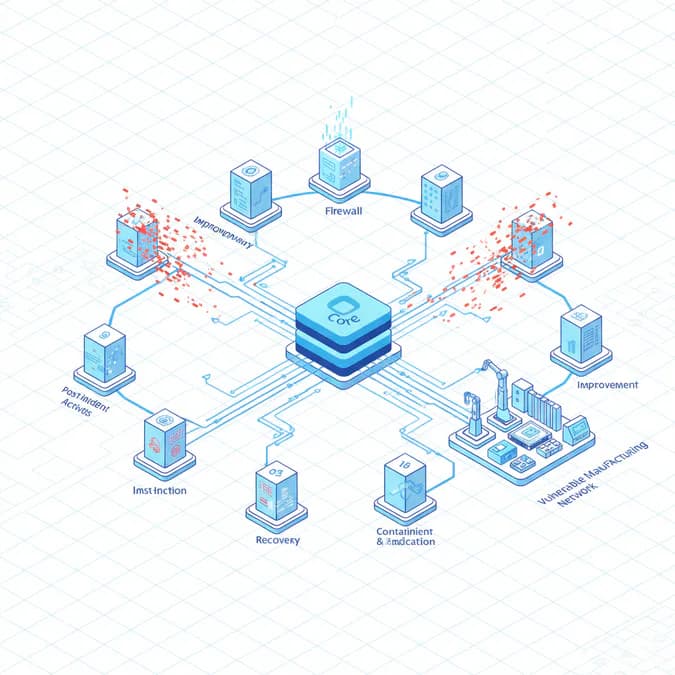
Key Takeaways on Fortinet FortiGate Attacks
- Automated attacks rapidly create rogue administrative accounts.
- SSO feature vulnerabilities enable unauthorized network access.
- Immediate action is required to prevent network compromise.
- Multi-factor authentication is crucial for defense.
Overview of Fortinet FortiGate Attacks
Fortinet FortiGate attacks exploit vulnerabilities in the FortiCloud SSO feature, which is enabled by default upon FortiCare registration. These attacks can compromise networks within a 24-hour period, highlighting the urgent need for immediate security measures. Organizations must be aware of the potential risks and take proactive steps to safeguard their network infrastructure.
Impact on Users
The impact of Fortinet FortiGate attacks on users can be severe. Unauthorized access to network resources can lead to data breaches, loss of sensitive information, and significant financial repercussions. Organizations must prioritize security to protect their users and maintain trust.
Vulnerability Analysis
A comprehensive vulnerability analysis reveals that the primary weaknesses in Fortinet FortiGate devices stem from misconfigurations and the default settings of the SSO feature. Organizations should regularly audit their configurations and disable unnecessary features to mitigate risks.
Recommendations for Protection
To protect against Fortinet FortiGate attacks, organizations should:
- Disable unnecessary SSO features.
- Implement multi-factor authentication.
- Regularly monitor network activity for unusual behavior.
- Conduct periodic security assessments to identify vulnerabilities.
Expert Insights on Fortinet FortiGate Attacks
"The rapid evolution of Fortinet FortiGate attacks demonstrates the critical need for continuous security monitoring and proactive defense strategies." - Cybersecurity Expert, Arctic Wolf
FAQ: Fortinet FortiGate Attacks
Q: How quickly can Fortinet FortiGate attacks compromise a network?
A: According to Arctic Wolf, these attacks can compromise networks within a 24-hour period, highlighting the urgent need for immediate security measures.
Q: What is the primary vulnerability in these attacks?
A: The attacks exploit vulnerabilities in the FortiCloud SSO feature, which is enabled by default upon FortiCare registration.
Q: How can organizations protect themselves?
A: Key protection strategies include disabling unnecessary SSO features, implementing multi-factor authentication, and regularly monitoring network activity.
Conclusion
In conclusion, Fortinet FortiGate attacks represent a critical cybersecurity threat that requires immediate attention. By understanding the vulnerabilities and implementing effective protection strategies, organizations can significantly reduce their risk of compromise. Continuous monitoring and proactive defense are essential in safeguarding network infrastructures against these evolving threats.