Table of Contents

- Understanding Security Architecture and Its Critical Importance
- The Three Types of Betrayal in Security Architecture
- Real-World Lessons: Learning from Major Incidents
- The Interconnection Between Security and Architecture
- How Systemic Failures Develop in Security Architecture
- Preventing Betrayal in Security Architecture
- The Role of Testing and Validation in Security Architecture
- Building Resilient Security Architecture
- Frequently Asked Questions
Understanding Security Architecture and Its Critical Importance
The relationship between security and architecture represents one of the most critical yet often overlooked aspects of organizational resilience. When these two foundational elements fail to work in harmony, the consequences can be devastating. Understanding how security architecture failures occur and what drives them is essential for any organization seeking to protect its systems and data.
 >
>
Security architecture failures don't happen in isolation. They result from a complex interplay of technical decisions, organizational culture, and human factors. By examining real-world incidents and the concept of "betrayal" within systems, we can better understand how to prevent catastrophic failures. Research indicates that organizations without integrated security architecture are significantly more vulnerable to cascading system failures.
The Three Types of Betrayal in Security Architecture
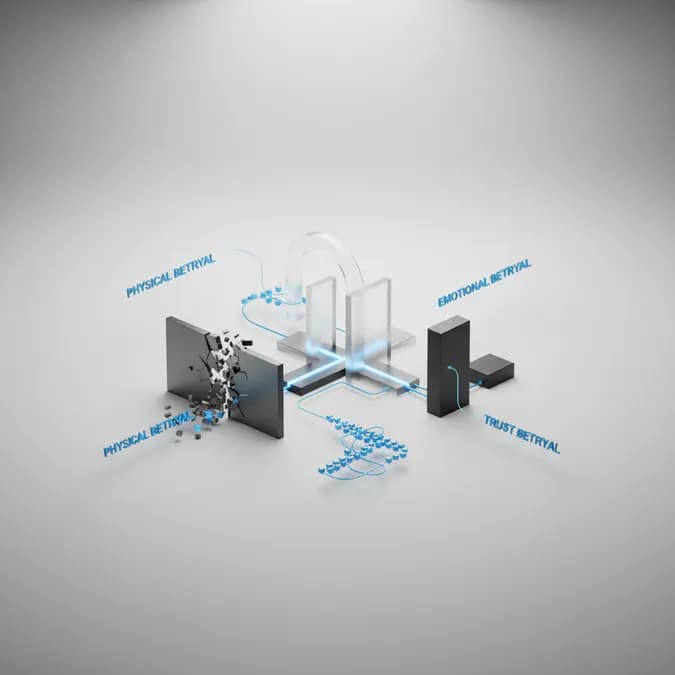
When discussing security architecture, industry experts identify three distinct categories of betrayal that can undermine system integrity: physical betrayal, emotional betrayal, and trust betrayal. Each represents a different failure mode that can compromise the entire security posture of an organization. Understanding these three types of betrayal in security architecture is fundamental to building robust defenses.
Physical Betrayal in Security Architecture
Physical betrayal occurs when the tangible infrastructure designed to protect systems fails to perform as intended. This might involve hardware vulnerabilities, inadequate physical security measures, or infrastructure components that don't meet their specified requirements. When the physical layer of security architecture is compromised, it creates a foundation of weakness upon which all other security measures rest. Examples include unpatched servers, failed redundancy systems, or security appliances that malfunction during critical moments.
Emotional Betrayal in Security Architecture
Emotional betrayal refers to the human element—the breakdown in confidence and commitment that occurs when security measures are perceived as burdensome, unnecessary, or poorly implemented. When employees, developers, or stakeholders feel that security architecture is working against them rather than protecting them, they may circumvent controls or fail to follow established protocols. This creates gaps that attackers can exploit. Organizations that neglect this aspect of security architecture often experience higher rates of policy violations and insider risks.
Trust Betrayal in Security Architecture
Trust betrayal represents the most insidious form of failure in security architecture. This occurs when the assumptions upon which security architecture is built prove to be false. It might involve trusting a vendor whose products contain vulnerabilities, relying on third-party integrations that introduce risk, or assuming that internal processes are secure when they're not. Trust betrayal often goes undetected until a major incident occurs, making it particularly dangerous to organizational security posture.
Real-World Lessons: Learning from Major Incidents
Recent high-profile incidents have illustrated how these betrayals manifest in practice. The CrowdStrike incident serves as a powerful example of how security architecture failures can cascade through an entire ecosystem. When a security tool itself becomes a vector for widespread system failures, it demonstrates the critical importance of proper architecture, testing, and deployment procedures. This incident affected millions of systems globally, underscoring the interconnected nature of modern security architecture.
These incidents reveal that security architecture isn't just about implementing the right tools—it's about designing systems that can withstand failures, testing thoroughly before deployment, and maintaining the trust of stakeholders throughout the process. When organizations skip steps or cut corners in their security architecture, they create vulnerabilities that can affect not just their own systems but their entire supply chain. Industry experts note that comprehensive testing protocols can prevent up to 80% of deployment-related failures in security architecture implementations.
The Interconnection Between Security and Architecture
Security and architecture are fundamentally inseparable. Architecture defines how systems are built, how components interact, and how data flows through an organization. Security must be embedded into every architectural decision, not bolted on afterward. This principle is central to effective security architecture design.
When security is treated as an afterthought rather than a core architectural principle, several problems emerge. First, security controls become inefficient and burdensome, leading to the emotional betrayal mentioned earlier. Second, the architecture itself may contain inherent weaknesses that no amount of security tools can fully remediate. Third, the organization lacks the visibility and control necessary to respond effectively to threats.
Effective security architecture requires that security considerations be present from the earliest stages of system design. This means involving security teams in architectural decisions, conducting threat modeling before implementation, and designing systems with defense in depth principles in mind. Organizations that integrate security architecture from the beginning report significantly better outcomes than those that add it later.
How Systemic Failures Develop in Security Architecture
Systemic failures in security architecture typically develop through a combination of factors. Technical debt accumulates as organizations prioritize speed to market over architectural soundness. Organizational silos prevent security teams from having adequate input into architectural decisions. Budget constraints force organizations to defer security investments. And complacency sets in when organizations go extended periods without experiencing a major incident.
The path to systemic failure often looks like this: initial architectural decisions are made without adequate security input, creating foundational weaknesses. These weaknesses are recognized but not addressed due to cost or complexity. Over time, additional layers are added to the architecture without addressing the underlying issues. Eventually, a trigger event—a new threat, a vendor vulnerability, or a configuration change—exposes the accumulated weaknesses, resulting in a cascading failure that affects the entire organization.
Preventing Betrayal in Security Architecture
Organizations can take several concrete steps to prevent the three types of betrayal in their security architecture:
Preventing Physical Betrayal
For physical betrayal prevention, organizations should invest in robust infrastructure, conduct regular security assessments, and implement redundancy and failover mechanisms. This includes not just network infrastructure but also the security tools and systems themselves. Regular maintenance schedules, hardware monitoring, and capacity planning are essential components of preventing physical betrayal in security architecture. Organizations should also maintain spare components and documented recovery procedures.
Preventing Emotional Betrayal
To prevent emotional betrayal, security architecture should be designed with usability in mind. Security controls should be transparent and non-intrusive where possible. When security measures are necessary, they should be clearly communicated and justified. Organizations should also involve stakeholders in the design process, building buy-in and understanding. Training programs and regular communication about the importance of security architecture help reduce resistance and increase compliance.
Preventing Trust Betrayal
Preventing trust betrayal requires a more sophisticated approach. Organizations need to implement vendor management programs, conduct thorough due diligence on third-party integrations, and maintain healthy skepticism about assumptions. This includes regular testing of security controls, penetration testing, and red team exercises that challenge architectural assumptions. Continuous monitoring and validation of third-party components are critical to maintaining the integrity of security architecture.
The Role of Testing and Validation in Security Architecture
One critical lesson from recent incidents is the importance of comprehensive testing before deploying security updates or changes. When security tools are deployed without adequate testing in isolated environments, the potential for widespread impact increases dramatically. A staged deployment approach significantly reduces risk in security architecture implementations.
Organizations should implement staged deployment processes for security updates, maintain test environments that mirror production, and conduct thorough regression testing. This is particularly important for security tools that have broad system impact. Testing protocols should include chaos engineering practices that simulate failures and validate recovery procedures. Documentation of all test results and deployment procedures is essential for maintaining security architecture integrity.
Building Resilient Security Architecture
Resilience in security architecture means designing systems that can withstand failures and recover quickly. This requires redundancy, clear communication channels, and well-documented procedures for responding to failures. Resilient security architecture includes backup systems, failover mechanisms, and recovery time objectives that are regularly tested.
Organizations should also foster a culture where security is everyone's responsibility. When employees understand the importance of security architecture and feel empowered to report issues, the organization benefits from distributed vigilance. Regular training, clear communication about security policies, and recognition of security-conscious behavior all contribute to building a resilient security posture.
Frequently Asked Questions About Security Architecture
What is the difference between security and architecture? Security refers to the measures and controls that protect systems and data, while architecture describes how systems are designed and structured. In effective security architecture, these two disciplines are integrated from the beginning of system design rather than treated as separate concerns.
How can organizations identify weaknesses in their security architecture? Organizations can identify weaknesses through regular security assessments, penetration testing, threat modeling exercises, and red team simulations. Additionally, reviewing incident reports and near-miss events can reveal architectural vulnerabilities before they lead to major failures in security architecture.
What role does vendor management play in security architecture? Vendor management is critical to preventing trust betrayal in security architecture. Organizations should conduct thorough due diligence on vendors, establish clear security requirements in contracts, and maintain ongoing monitoring of vendor products and services to ensure they continue to meet security standards.
How often should security architecture be reviewed? Security architecture should be reviewed at least annually, or whenever significant changes are made to systems, infrastructure, or organizational structure. Additionally, any major security incident or near-miss should trigger an architectural review to identify and address underlying weaknesses in security architecture.
What is defense in depth in security architecture? Defense in depth is a security architecture principle that involves implementing multiple layers of security controls. Rather than relying on a single security measure, organizations deploy overlapping controls so that if one fails, others continue to provide protection.
Why is testing critical for security architecture? Testing is critical because it validates that security architecture components function as designed before deployment. Inadequate testing can lead to widespread failures, as demonstrated by recent incidents. Comprehensive testing protocols in security architecture prevent cascading failures across systems and ecosystems.
Key Takeaways
- Security and architecture are inseparable—security must be embedded in architectural decisions from the start
- Three types of betrayal—physical, emotional, and trust—can each lead to systemic failures in security architecture
- Real-world incidents demonstrate the cascading impact of security architecture failures across entire ecosystems
- Comprehensive testing and staged deployments are essential for security tools and updates
- Stakeholder engagement and clear communication prevent emotional betrayal in security architecture
- Vendor management and assumption validation prevent trust betrayal
- Building resilience requires redundancy, documentation, and a security-conscious culture
- Regular security assessments and threat modeling identify architectural weaknesses before they cause failures
What This Means for Your Organization
The relationship between security and architecture demands attention at the highest levels of organizational leadership. By understanding the three types of betrayal and implementing preventive measures, organizations can build security architecture that truly protects rather than undermines their operations. The cost of getting this right is far less than the cost of systemic failure.
Organizations should begin by conducting a comprehensive review of their current security architecture, identifying gaps, and developing a roadmap for improvement. This should include involvement from security teams, system architects, operations staff, and business leaders. By taking a holistic approach to security architecture, organizations can create systems that are both secure and resilient, protecting their assets and maintaining stakeholder trust.