Introduction to Advanced Persistent Threats (APTs)
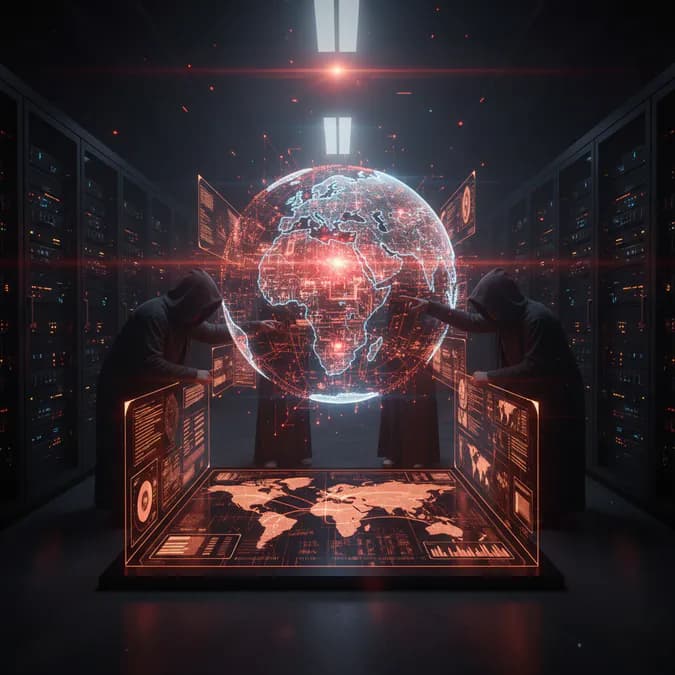
Advanced Persistent Threats (APTs) continue to pose a significant challenge to global cybersecurity. These sophisticated, often state-sponsored groups conduct prolonged, targeted operations aimed at espionage, data theft, and infrastructure disruption. Unlike typical cyberattacks, APTs are characterized by their stealth, persistence, and ability to adapt to defenses. They often employ custom malware

CloudSEK's Top 10 APT Groups Ranking: Methodology
CloudSEK, a leading cybersecurity firm, has released its ranking of the top 10 Advanced Persistent Threat (APT) groups dominating 2025 into 2026 [Source: CloudSEK]. The ranking methodology relies on a combination of factors, including:
- Government Advisories: Analysis of official warnings and alerts issued by government agencies worldwide.
- CERT Reports: Examination of incident reports and technical analyses published by Computer Emergency Response Teams (CERTs).
- High-Confidence Attributions: Assessment of the reliability and accuracy of attribution claims, ensuring a high degree of certainty about the actors involved.
The ranking also considers the scope, persistence, and intelligence value of each APT group's activities. This comprehensive approach allows CloudSEK to identify the most impactful and dangerous APTs operating in the current threat landscape. According to CloudSEK analysts, these groups shaped 2025 through targeted espionage, infrastructure access, and identity-driven intrusions that left lasting operational impact [Source: CloudSEK].
Detailed Profiles of Top APT Groups
CloudSEK's ranking highlights several prominent APT groups, each with its own distinct tactics, techniques, and targets. Here's a closer look at some of the key players:
- Salt Typhoon: This PRC-aligned group leads the ranking, primarily targeting telecommunications companies for espionage and infrastructure access [Source: CloudSEK].
- Flax Typhoon: Another PRC-aligned group, known for its focus on identity-driven intrusions and targeting a wide range of organizations [Source: CloudSEK].
- Mustang Panda: This group is also associated with the PRC and is known for its espionage activities targeting various sectors [Source: CloudSEK].
- APT17, APT28, APT29: These groups are believed to be associated with the Russian government and are known for their sophisticated cyber espionage and attack capabilities [Source: CloudSEK].
- Sandworm: Another Russian-linked group, notorious for its destructive attacks on critical infrastructure [Source: CloudSEK].
- Lazarus: This North Korean group is primarily motivated by financial gain and is known for its involvement in large-scale cyber heists. In 2025 alone, Lazarus stole $2.02B [Source: Netlas.io].
- Kimsuky: Another North Korean group, focused on espionage and intelligence gathering [Source: CloudSEK].
- APT42: This Iranian group is known for its surveillance activities and targeting of dissidents and activists [Source: CloudSEK].
Geopolitical Implications of APT Activities
The activities of APT groups have significant geopolitical implications. Many of these groups are believed to be state-sponsored, meaning that their actions are often aligned with the strategic interests of their respective governments. For example, the PRC-aligned groups like Salt Typhoon and Flax Typhoon are likely engaged in espionage and data theft to support China's economic and political goals. Similarly, the Russian-linked groups like APT28 and Sandworm are often involved in cyber operations aimed at undermining Western governments and disrupting critical infrastructure. The recent escalation of tensions between Iran and the US has also led to increased cyber activity, with Iranian hacktivists targeting US infrastructure [Source: CloudSEK].
Targets and Objectives of APT Groups: Espionage and Infrastructure
APT groups typically target organizations and individuals that possess valuable information or control critical infrastructure. Common targets include:
- Governments: APTs target government agencies to steal classified information, disrupt government operations, and influence policy decisions.
- Telecommunications Companies: These companies are targeted for their access to vast amounts of personal data and their control over critical communication networks. Salt Typhoon, a PRC-aligned group, is a prime example of an APT targeting this sector [Source: CloudSEK].
- Critical Infrastructure: APTs target critical infrastructure, such as power grids, water treatment plants, and transportation systems, to cause disruption and chaos.
- Financial Institutions: These institutions are targeted for financial gain, as demonstrated by the Lazarus Group's theft of $2.02B in 2025 [Source: Netlas.io].
- Defense Contractors: APTs target defense contractors to steal sensitive military technology and intelligence.
The primary objectives of APT groups include:
- Espionage: Gathering intelligence on political, economic, and military developments.
- Data Theft: Stealing sensitive data, such as trade secrets, personal information, and financial records.
- Infrastructure Disruption: Disrupting critical infrastructure to cause economic damage and social unrest.
- Financial Gain: Stealing money through cyber heists and ransomware attacks.
Defensive Strategies Against APT Attacks
Defending against APT attacks requires a multi-layered approach that combines technical controls, security awareness training, and threat intelligence. Some key defensive strategies include:
- Implement Strong Authentication: Use multi-factor authentication (MFA) to protect against password-based attacks.
- Patch Vulnerabilities Promptly: Regularly patch software vulnerabilities to prevent attackers from exploiting known weaknesses.
- Monitor Network Traffic: Monitor network traffic for suspicious activity and anomalous behavior.
- Implement Intrusion Detection and Prevention Systems: Use intrusion detection and prevention systems to identify and block malicious traffic.
- Conduct Regular Security Audits: Conduct regular security audits to identify and address vulnerabilities in your systems and processes.
- Provide Security Awareness Training: Train employees to recognize and avoid phishing scams and other social engineering attacks.
- Share Threat Intelligence: Share threat intelligence with other organizations to improve collective defense.
- Employ AI-Driven Security: Leverage AI and machine learning to enhance threat detection and response capabilities.
The Evolving Landscape of APT Threats
The APT threat landscape is constantly evolving, with new groups emerging and existing groups adapting their tactics and techniques. One notable development is the emergence of new Asia-based APTs, such as UNC6619, which has compromised 70 organizations in 37 countries and conducted reconnaissance against government infrastructure in 155 countries [Source: CSO Online]. Another trend is the increasing use of ransomware by APT groups, as demonstrated by the 0APT ransomware group's recent spike in activity [Source: Bitdefender]. As Sukant Kumar, Cyber Security Manager at Netlas.io, notes, the 2026 threat landscape will concentrate risk among actors that prioritize practical capability development over technical novelty [Source: Netlas.io].
Conclusion
The CloudSEK ranking of the top 10 APT groups highlights the ongoing threat posed by these sophisticated cyber adversaries. Organizations must remain vigilant and implement robust security measures to protect themselves against APT attacks. By understanding the tactics, techniques, and targets of these groups, organizations can better defend their networks and data. As the threat landscape continues to evolve, it is crucial to stay informed and adapt security strategies accordingly. The precision and persistence of these groups confirm that nation-state cyber activity remains one of the most significant global security challenges [Source: CloudSEK].
Sources
- Automated Pipeline
- Top 10 Critical Threat Actors to Watch in 2026: Ransomware, APTs & Defensive Strategies
- New APT group breached gov and critical infrastructure orgs in 37 countries
- Bitdefender Threat Debrief | February 2026
- AI, the Iran-US Conflict, and the Threat to US Critical Infrastructure
- Source: cloudsek.com
- Source: cloudsek.com
- Source: deepstrike.io
- Source: cloudsek.com