Texas Data Breach Affects Millions of Residents
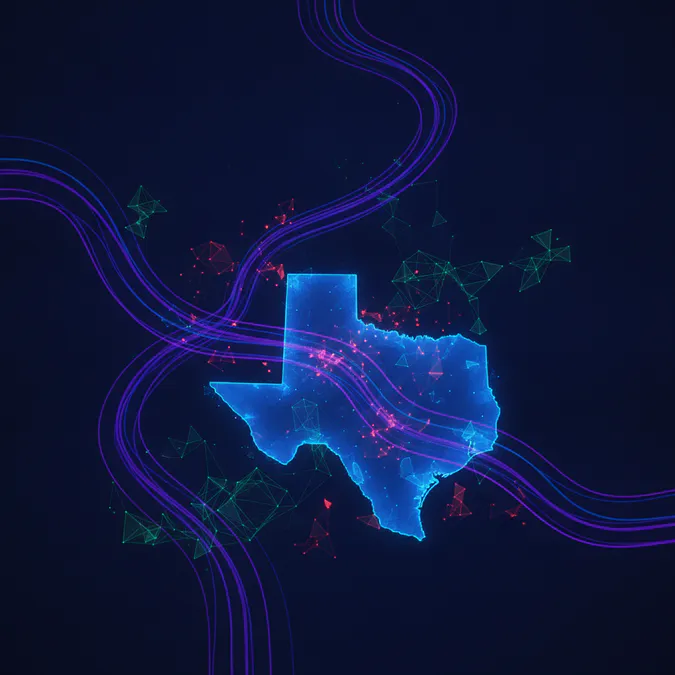
A substantial data breach has compromised the personal information of more than 3 million Texans, marking one of the state's most significant cybersecurity incidents in recent years. Texas Parks and Wildlife announced the breach on Saturday, revealing that an unauthorized user gained access to a vendor system responsible for processing hunting and fishing license sales. This incident underscores the critical importance of robust cybersecurity measures in protecting sensitive personal information.
The Scope of the Data Breach
The breach represents a serious threat to millions of Texas residents whose sensitive personal information may have been exposed. Texas Parks and Wildlife confirmed that the vendor handling the state's hunting and fishing license sales platform fell victim to a cyber attack. While the agency has not disclosed all specific details about the extent of the compromise, the scale of t

This type of breach is particularly concerning because hunting and fishing license systems typically collect comprehensive personal data, including names, addresses, phone numbers, email addresses, and potentially financial information used for license purchases.
What Information Was Exposed
While Texas Parks and Wildlife has not released a complete inventory of exposed data elements, individuals who purchased hunting or fishing licenses through the vendor platform should assume their personal information may have been compromised. Typical data collected during license transactions includes:
- Full names
- Residential addresses
- Phone numbers
- Email addresses
- Date of birth
- Driver's license numbers
- Financial information and payment details
- Hunting and fishing activity records
The unauthorized access to this information creates multiple risks for affected individuals, including identity theft, phishing attacks, and targeted fraud schemes.
Third-Party Vendor Vulnerabilities
This incident highlights a critical vulnerability in how government agencies manage cybersecurity across their vendor ecosystems. Third-party vendors often serve as weak links in an organization's security posture, as they may not maintain the same level of security controls and monitoring as the primary organization.
Government agencies frequently rely on external vendors to handle specialized functions like license sales, permit processing, and payment processing. While outsourcing these services can be cost-effective, it introduces significant security risks if vendors fail to implement adequate cybersecurity measures.
Common vulnerabilities in third-party systems include:
- Outdated software and unpatched security flaws
- Weak authentication mechanisms
- Insufficient encryption of sensitive data
- Poor access controls and monitoring
- Inadequate incident response procedures
- Limited security awareness training for vendor staff
The Texas Parks and Wildlife breach demonstrates that even established government agencies can fall victim to sophisticated cyber attacks when their vendors lack robust security infrastructure.
Immediate Response and Investigation
Texas Parks and Wildlife initiated an investigation immediately upon discovering the unauthorized access. The agency is working with cybersecurity experts and law enforcement to determine the full scope of the breach, identify the threat actor responsible, and assess what information was actually accessed or exfiltrated.
The investigation phase is critical for understanding:
- How the attacker gained initial access to the vendor system
- What security controls failed to prevent or detect the intrusion
- How long the unauthorized access persisted before detection
- Whether data was copied, modified, or deleted
- The identity and motivation of the threat actor
During this investigation period, affected individuals remain at elevated risk while authorities work to contain the breach and prevent further unauthorized access.
Risks for Affected Texans
The exposure of personal information for 3 million Texans creates substantial risks across multiple threat vectors. Identity thieves can use the exposed data to open fraudulent accounts, apply for credit, or conduct targeted phishing campaigns. The combination of personal identifiers, addresses, and potentially financial information makes this data particularly valuable to cybercriminals.
Affected individuals face several specific risks:
Identity Theft: Criminals can use exposed personal information to impersonate victims, open credit accounts, or take out loans in their names.
Financial Fraud: If payment information was compromised, fraudsters may attempt unauthorized transactions or sell the data to other criminals.
Phishing and Social Engineering: Attackers can use personal details to craft convincing phishing emails or phone calls targeting victims.
Data Aggregation: Criminals often combine breached datasets to create comprehensive profiles for targeted attacks.
Long-Term Exposure: Personal information remains valuable for years, meaning risks may persist well beyond the initial breach discovery.
Steps Texans Should Take
Affected residents should take immediate action to protect themselves from potential fraud and identity theft. Texas Parks and Wildlife has recommended several protective measures:
Monitor Financial Accounts: Regularly review bank and credit card statements for unauthorized transactions. Set up account alerts to notify you of suspicious activity.
Place a Fraud Alert: Contact one of the three major credit bureaus (Equifax, Experian, or TransUnion) to place a fraud alert on your credit report. This makes it harder for criminals to open accounts in your name.
Consider a Credit Freeze: A credit freeze prevents creditors from accessing your credit report without your permission, effectively blocking fraudsters from opening new accounts.
Check Your Credit Report: Request free annual credit reports from all three bureaus at annualcreditreport.com and review them for suspicious accounts or inquiries.
Be Cautious of Phishing: Be skeptical of unsolicited emails, texts, or calls requesting personal information. Legitimate organizations won't ask for sensitive data via email.
Use Strong Passwords: If you have an account with the vendor or Texas Parks and Wildlife, change your password to a strong, unique combination.
Enable Two-Factor Authentication: Add an extra layer of security to any online accounts by enabling two-factor authentication where available.
Consider Identity Theft Protection: Some individuals may benefit from identity theft protection services that monitor for suspicious activity and assist with recovery if fraud occurs.
Government and Regulatory Response
This breach will likely trigger investigations from state and federal authorities, including the Texas Attorney General's office and potentially the Federal Trade Commission. Government agencies are increasingly scrutinizing data breaches involving large numbers of residents, particularly when third-party vendors are responsible for security failures.
The incident may result in:
- Regulatory fines against the vendor or Texas Parks and Wildlife
- Mandatory security improvements and audits
- Changes to vendor management policies
- Enhanced breach notification requirements
- Potential litigation from affected individuals
Key Takeaways for Cybersecurity
The Texas data breach reinforces several critical cybersecurity lessons for both government agencies and private organizations:
Vendor Security is Critical: Organizations must implement rigorous vendor management programs that include security assessments, ongoing monitoring, and contractual requirements for cybersecurity standards.
Data Minimization Matters: Collecting only necessary personal information reduces the impact of breaches. Agencies should evaluate whether all collected data is essential.
Encryption is Essential: Encrypting sensitive data both in transit and at rest significantly reduces the value of stolen information.
Incident Detection Speed: Rapid detection and response to unauthorized access can limit the scope of damage. Organizations need robust monitoring and alerting systems.
Transparency Builds Trust: Prompt, honest communication with affected individuals demonstrates accountability and helps people take protective action.
What This Means Going Forward
As Texas Parks and Wildlife continues its investigation and remediation efforts, affected residents must remain vigilant about protecting their personal information. The breach serves as a stark reminder that cybersecurity threats affect not just private companies but government agencies as well.
Organizations across all sectors should use this incident as a catalyst for strengthening their cybersecurity posture, particularly regarding third-party vendor management. The 3 million Texans affected by this breach deserve assurance that their personal information will be better protected going forward.
For those impacted, taking immediate protective steps—monitoring accounts, placing fraud alerts, and checking credit reports—can significantly reduce the risk of identity theft and financial fraud resulting from this data breach.
Frequently Asked Questions
What should I do if I think my information was compromised?
If you believe your information was part of the data breach, take immediate action by monitoring your financial accounts, placing fraud alerts, and considering a credit freeze.
How can I protect myself from identity theft?
Use strong, unique passwords for your accounts, enable two-factor authentication, and be cautious of unsolicited communications requesting personal information.
Will I be notified if my data was compromised?
Texas Parks and Wildlife is expected to notify affected individuals as more information becomes available during the investigation.
What are the long-term risks of a data breach?
Long-term risks include identity theft, financial fraud, and ongoing phishing attempts. Personal information can remain valuable for years.
Where can I find more information on protecting my data?
Visit official resources such as the Federal Trade Commission (FTC) website for guidance on identity theft protection and data security.