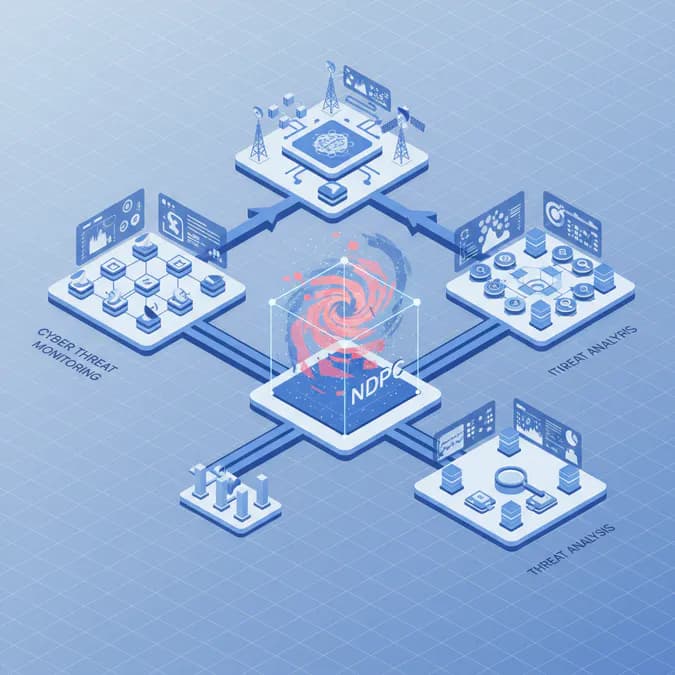
Urgent Cybersecurity Needs: NDPC Faces 2,000 Hacker Attacks
In a startling revelation, the National Data Protection Commission (NDPC) of Nigeria disclosed that its online portal faced an alarming surge of over 2,000 cyberattacks within a single week. This incident not only raises concerns about the security of sensitive data but also highlights the urgent need for improved cybersecurity measures across government agencies in Nigeria. As cyber threats continue to evolve, understanding the implications of such attacks is crucial for safeguarding national interests and public trust.
Understanding the Cyberattack Landscape
Cyberattacks have become increasingly sophisticated, with hackers employing various techniques to breach security systems. The NDPC's experience serves as a stark reminder of the vulnerabilities that exist within governmental digital infrastructures. These attacks can range from simple phishing attempts to more complex strategies like Distributed Denial of Service (DDoS) attacks, which aim to overwhelm systems and render them inoperable.
The Scale of the Attacks
The NDPC's report of 2,000 attacks in one week is indicative of a broader trend affecting not just Nigeria but countries worldwide. Cybercriminals are constantly searching for weaknesses in systems to exploit, and government portals, which often house sensitive information, are prime targets. The sheer volume of attacks within such a short timeframe raises questions about the adequacy of current cybersecurity protocols and the resources allocated to combat these threats.
The Implications for National Security
Cybersecurity is not merely a technical issue; it is a matter of national security. When government agencies are compromised, the potential fallout can be severe. Sensitive data, including personal information of citizens, can be exposed, leading to identity theft and other malicious activities. Furthermore, breaches can undermine public trust in government institutions, which is essential for maintaining social order and governance.
Potential Consequences of Cyberattacks
- Data Breaches: Exposure of personal and sensitive information.
- Operational Disruption: Downtime of critical services affecting citizens.
- Financial Loss: Costs associated with recovery and mitigation efforts.
- Reputation Damage: Loss of public trust in governmental institutions.
Current Cybersecurity Measures in Nigeria
The Nigerian government has made strides in enhancing cybersecurity frameworks, yet incidents like the NDPC attacks reveal that more needs to be done. The establishment of the National Cybersecurity Policy and Strategy (NCPS) aimed to address these issues, but implementation remains a challenge. Key areas that require immediate attention include:
- Investment in Technology: Upgrading existing systems to defend against modern threats.
- Training and Awareness: Educating staff on cybersecurity best practices.
- Incident Response Plans: Developing robust protocols for responding to breaches.
- Collaboration: Engaging with international cybersecurity organizations for knowledge sharing.
What This Means for Government Agencies
The NDPC's experience serves as a wake-up call for all government agencies in Nigeria. It is imperative that they reassess their cybersecurity strategies and invest in necessary upgrades to protect against future attacks. This includes not only technological advancements but also fostering a culture of cybersecurity awareness among employees.
Steps Forward
To effectively combat the rising tide of cyber threats, Nigerian government agencies should consider the following actions:
- Conduct Regular Security Audits: Identifying vulnerabilities before they can be exploited.
- Implement Multi-Factor Authentication: Adding layers of security to sensitive systems.
- Engage Cybersecurity Experts: Consulting with specialists to enhance defenses.
- Public Awareness Campaigns: Informing citizens about cybersecurity risks and protective measures.
The Bottom Line
The recent cyberattacks on the NDPC highlight the urgent need for enhanced cybersecurity measures within Nigerian government agencies. As cyber threats continue to evolve, it is crucial for these institutions to prioritize their digital security frameworks. By investing in technology, training, and robust incident response plans, the Nigerian government can better protect its data and maintain public trust.
In conclusion, the fight against cybercrime is ongoing, and proactive measures are essential to safeguard national interests. The NDPC's experience serves as a critical reminder of the vulnerabilities that exist and the need for continuous improvement in cybersecurity practices.
Key Takeaways
- The NDPC faced over 2,000 cyberattacks in one week, emphasizing urgent cybersecurity needs.
- Government agencies must enhance their cybersecurity measures to protect sensitive data.
- Investing in technology and training is essential for improving defenses against cyber threats.
- Public awareness and collaboration with experts can strengthen national cybersecurity efforts.
Frequently Asked Questions (FAQ)
What are the main cybersecurity needs for government agencies?
Government agencies need to invest in technology, training, incident response plans, and collaboration with cybersecurity experts to address vulnerabilities.
How can public awareness help in cybersecurity?
Public awareness campaigns can educate citizens about cybersecurity risks and protective measures, fostering a culture of security.
What are the consequences of cyberattacks on government institutions?
Consequences include data breaches, operational disruptions, financial losses, and damage to public trust.