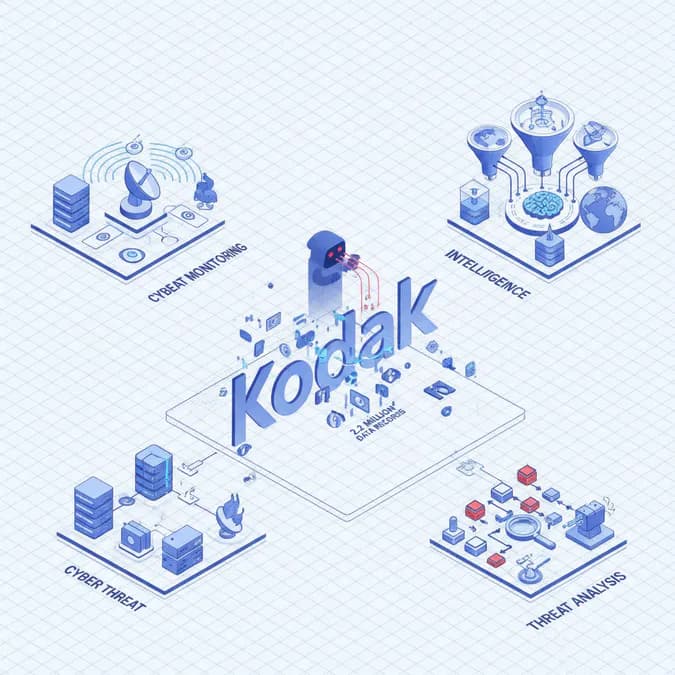
Kodak Data Breach Confirmed: Understanding the ShinyHunters Attack
Kodak, the iconic photography and imaging company, has officially confirmed a significant data breach following claims by the threat actor group ShinyHunters that they had stolen approximately 2.2 million records from the organization. The breach notification came after ShinyHunters set a deadline for the company to meet their demands, ultimately leading to the public disclosure of the incident. This data breach represents a critical moment for the company and serves as an important case study for understanding modern cybersecurity threats.
The Kodak data breach highlights the vulnerability of even well-established enterprises to sophisticated cyber attacks. ShinyHunters, a known cybercriminal group, claimed responsibility for the attack and threatened to release the stolen data publicly if their conditions were not met. The group's deadline passing without resolution triggered Kodak's official acknowledgment of the incident, forcing the company into crisis management mode.
Understanding the Data Breach
The ShinyHunters group has established itself as a notable threat actor in recent years, known for targeting large organizations across various industries. The group typically gains access to corporate networks through various means, including exploiting vulnerabilities, credential compromise, or social engineering tactics. Once inside a network, threat actors work to exfiltrate sensitive data before their pr

In Kodak's case, the attackers successfully accessed and copied 2.2 million records. The specific nature of these records has become a critical concern for the company and its stakeholders. Data breaches of this magnitude typically contain sensitive information such as:
- Employee records and personal information
- Customer data and contact details
- Financial information and payment records
- Proprietary business information
- Authentication credentials
The Timeline of Events
The sequence of events in the Kodak breach follows a pattern common to many modern data breaches. First, threat actors gain unauthorized access to systems. Second, they conduct reconnaissance and data exfiltration activities. Third, they establish contact with the target organization, often through dark web channels or anonymous communication methods, making demands or threats. Finally, if demands are not met by a specified deadline, the threat actors follow through on their threats to release the data publicly.
ShinyHunters' deadline represented a critical juncture for Kodak. The company faced a difficult decision: negotiate with cybercriminals, which law enforcement agencies generally discourage, or allow the data to be released publicly. Kodak's decision to confirm the breach publicly suggests the company chose transparency over negotiation, a strategy increasingly recommended by cybersecurity experts and regulatory bodies.
Implications for Kodak
The confirmation of the Kodak data breach carries significant implications for the company across multiple dimensions. From a regulatory perspective, Kodak must now navigate complex data protection laws across jurisdictions where affected individuals reside. These regulations, including GDPR in Europe and various state privacy laws in the United States, impose strict notification requirements and potential financial penalties.
Reputationally, the breach impacts Kodak's standing with customers, partners, and investors. In an era where data security is a key competitive differentiator, companies that suffer breaches often face increased scrutiny regarding their security practices and investments. Kodak will need to demonstrate that it is taking appropriate steps to remediate vulnerabilities and prevent future incidents.
Operationally, the company must conduct a thorough investigation to understand the full scope of the breach, identify affected systems, and implement remediation measures. This process is resource-intensive and can divert attention and budget from other business priorities.
The Broader Threat Landscape
The Kodak breach is not an isolated incident but rather part of a broader trend of large organizations falling victim to sophisticated cyber attacks. ShinyHunters and similar threat groups have demonstrated the ability to target enterprises across industries, from healthcare to finance to manufacturing.
Several factors contribute to the increasing frequency and scale of these breaches:
- Financial motivation: The value of stolen data on the dark web continues to drive criminal motivation. Personal information, financial data, and intellectual property command significant prices in underground markets.
- Security gaps: Many organizations still struggle with fundamental security hygiene, including patch management, access controls, and employee security awareness.
- Complex environments: The complexity of modern IT environments, particularly those incorporating cloud services and remote work infrastructure, creates additional attack surfaces that are difficult to secure comprehensively.
Response and Remediation Strategies
Following the public confirmation of the breach, Kodak must execute a comprehensive response plan. This typically includes several critical components. First, the company must notify all affected individuals as required by applicable laws and regulations. Second, Kodak should offer credit monitoring or identity theft protection services to affected parties. Third, the company must conduct a detailed forensic investigation to understand how the breach occurred and what data was compromised.
Beyond immediate response measures, Kodak should use this incident as a catalyst for strengthening its overall security posture. This might include:
- Implementing advanced threat detection systems
- Enhancing access controls and authentication mechanisms
- Conducting regular security assessments and penetration testing
- Investing in comprehensive employee security training
- Reviewing and updating incident response procedures
Lessons for Other Organizations
The Kodak data breach offers important lessons for other organizations seeking to protect their data and systems. First, no organization is too large or too established to be targeted by sophisticated threat actors. Second, data breaches often result from a combination of factors rather than a single security failure. Third, transparency and rapid communication following a breach are increasingly important for maintaining stakeholder trust.
Organizations should consider implementing a defense-in-depth strategy that includes multiple layers of security controls. This approach recognizes that no single security measure is foolproof and that multiple overlapping defenses increase the difficulty for attackers. Key elements include network segmentation, multi-factor authentication, encryption, regular security assessments, and comprehensive logging and monitoring.
Regulatory and Legal Considerations
The Kodak breach will likely trigger investigations by regulatory bodies in various jurisdictions. Data protection authorities may examine whether Kodak took appropriate measures to protect personal data and whether the company complied with notification requirements. These investigations can result in significant fines and requirements to implement specific security measures.
Affected individuals may also pursue legal action against Kodak, either individually or through class action lawsuits. These legal proceedings can result in substantial financial liability beyond regulatory fines. Insurance policies covering cyber liability may provide some protection, but coverage is often limited and subject to specific conditions.
Key Takeaways
The Kodak data breach serves as a stark reminder that cybersecurity threats are not theoretical concerns but real, present dangers that can affect even the largest and most established organizations. For Kodak and other companies, the key takeaway is that robust security investments, comprehensive incident response planning, and a culture of security awareness are essential components of modern business operations.
As the threat landscape continues to evolve and threat actors become more sophisticated, organizations must remain vigilant, adaptable, and committed to protecting the data entrusted to them. The Kodak incident will likely influence how other organizations approach their security strategies and investments in the coming months and years.
Frequently Asked Questions (FAQ)
What is a data breach?
A data breach occurs when unauthorized individuals gain access to sensitive information, often resulting in the exposure of personal data.
How can organizations prevent data breaches?
Organizations can prevent data breaches by implementing strong security measures, conducting regular security assessments, and providing employee training on cybersecurity best practices.
What should I do if my data is compromised in a breach?
If your data is compromised, monitor your accounts for suspicious activity, change your passwords, and consider enrolling in identity theft protection services.
Additional Resources
For further reading on data breaches and cybersecurity best practices, consider visiting reputable sources such as the Cybersecurity and Infrastructure Security Agency (CISA) and the Federal Trade Commission (FTC).