
Understanding Iran Cyber Threats in the Current Crisis
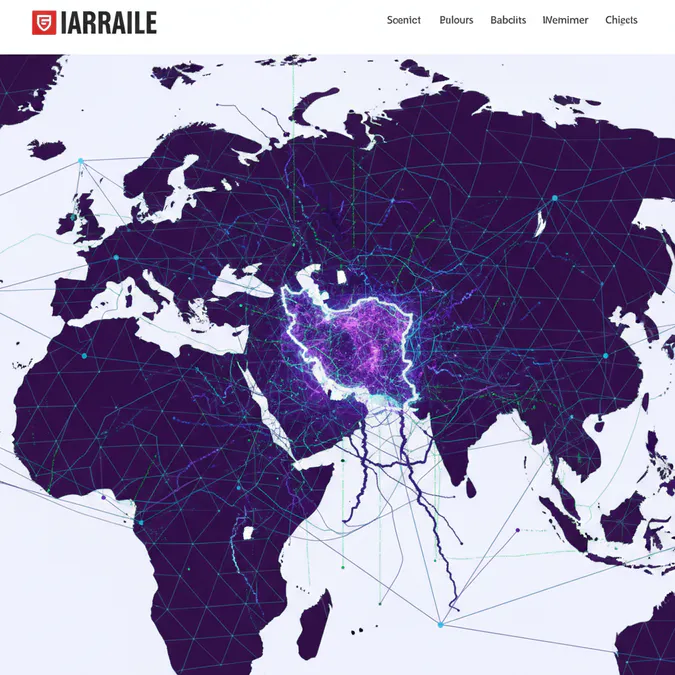
As of March 26, 2026, Iran has entered its 27th consecutive day of near-complete internet blackout following military strikes on February 28, creating a complex and rapidly evolving cyber threat environment. This unprecedented connectivity crisis has fundamentally altered the nature of cyber risks, shifting the balance between hacktivist activities and nation-state operations in ways that security professionals must understand and prepare for. Iran cyber threats are evolving in unexpected ways during this period, requiring organizations to reassess their defensive strategies and threat intelligence frameworks.
The internet blackout, triggered by U.S.-Israel military operations, has created a paradoxical situation in the cybersecurity landscape. While one might expect reduced cyber threats during a period of limited connectivity, the reality is far more nuanced. The situation has instead sparked a surge in hacktivist-driven cyberattacks while simultaneously constraining the capabilities of sophisticated nation-state threat actors who typically rely on robust infrastructure and continuous command-and-control communications.
Iran has long been recognized as a significant player in the global cyber threat landscape. The country's cyber capabilities have evolved substantially over the past decade, with documented involvement in major cyberattacks against critical infrastructure, financial institutions, and government agencies worldwide. However, the current situation presents a unique scenario that security analysts are closely monitoring and analyzing for patterns that may emerge in future geopolitical crises.
The February 28 strikes that precipitated the blackout represent a significant geopolitical event with direct implications for cybersecurity. The loss of internet connectivity has forced Iranian organizations, government entities, and potential threat actors to operate under severely constrained conditions. This has created an unusual dynamic where traditional cyber operations become significantly more difficult to execute, fundamentally altering threat patterns that organizations worldwide must track.
Table of Contents
- Hacktivist Activity Surge During Connectivity Loss
- Nation-State Threat Mitigation and Temporary Constraints
- Implications for Global Cybersecurity Operations
- Organizational Preparedness and Defensive Strategies
-
 ref="#broader-context">The Broader Cybersecurity Context
 - Frequently Asked Questions
- Key Takeaways
Hacktivist Activity Surge During Connectivity Loss
One of the most notable developments during this period has been the escalation of hacktivist-driven cyberattacks. Unlike nation-state actors who require sophisticated infrastructure and secure communications channels, hacktivists can operate with greater flexibility and often rely on distributed networks that are less dependent on centralized connectivity. Research indicates that ideologically motivated groups have increased their operational tempo significantly during geopolitical crises.
These hacktivist groups have reportedly increased their targeting of organizations perceived as supporting the military operations or having geopolitical interests aligned with the strikes. The attacks have included:
- Website defacements and data manipulation targeting corporate and government sites
- Distributed denial-of-service (DDoS) operations targeting specific sectors and critical services
- Data exfiltration attempts against perceived adversaries and strategic organizations
- Coordinated social media campaigns amplifying political messaging and narratives
- Reconnaissance activities probing organizational defenses and security postures
The motivations behind these attacks are typically ideological rather than financial, making them somewhat more predictable in their targeting patterns but no less disruptive in their impact. Organizations globally have reported increased reconnaissance activity and probing attempts from groups claiming affiliation with various hacktivist collectives. These activities suggest that while the internet blackout constrains some threat actors, it simultaneously energizes others who view the situation as a rallying point for coordinated cyber operations and political activism.
Industry experts note that hacktivist groups operating during geopolitical crises often demonstrate increased coordination and sophistication compared to their typical operations. The surge in activity during the Iran blackout reflects broader patterns observed in previous international incidents, where ideologically motivated actors leverage geopolitical tension to justify and amplify their campaigns.
Nation-State Threat Mitigation and Temporary Constraints
Perhaps counterintuitively, the internet blackout has actually mitigated certain nation-state cyber threats. Sophisticated state-sponsored threat actors typically require reliable, high-bandwidth connectivity to execute complex operations. They depend on secure command-and-control infrastructure, data exfiltration channels, and coordinated multi-stage attacks that require continuous communication and real-time coordination.
The near-complete internet blackout has severely hampered these capabilities. Nation-state actors operating from within Iran or coordinating with assets inside the country face unprecedented challenges in maintaining operational security and executing their typical attack methodologies. This has effectively created a temporary reduction in the sophistication and scale of nation-state cyber operations that would normally originate from or be coordinated through Iranian infrastructure.
However, security experts caution against assuming this represents a permanent reduction in nation-state threats. Instead, it likely represents a temporary constraint that will be lifted once connectivity is restored. When that occurs, organizations should expect a potential surge in sophisticated cyber operations as nation-state actors attempt to compensate for lost operational time and execute previously planned campaigns. Historical analysis of similar situations suggests that threat actors often increase activity intensity following extended operational blackouts.
The temporary mitigation of nation-state operations during the blackout provides a valuable window for organizations to strengthen their defenses and prepare for the inevitable resumption of sophisticated attacks. This period offers security teams an opportunity to conduct assessments, update defensive measures, and enhance detection capabilities before threat actors resume full operational capacity.
Implications for Global Cybersecurity Operations
The current situation in Iran has several important implications for organizations worldwide:
- Geopolitical-Cyber Nexus: It demonstrates the direct connection between geopolitical events and cyber threat landscapes. Military operations and infrastructure damage can have cascading effects on cyber threat patterns that extend far beyond the immediate geographic area. Organizations must integrate geopolitical monitoring into their threat intelligence programs to anticipate cyber risk shifts.
- Diverse Threat Vectors: The surge in hacktivist activity serves as a reminder that not all cyber threats come from sophisticated nation-state actors. Ideologically motivated groups can execute disruptive attacks that cause significant business impact, even if they lack the technical sophistication of state-sponsored operations. Defensive strategies must account for both threat categories.
- Threat Intelligence Value: The situation highlights the importance of threat intelligence and situational awareness. Security teams that understand the geopolitical context and can anticipate how it might affect cyber threat patterns are better positioned to implement appropriate defensive measures and allocate resources effectively.
- Operational Continuity: Organizations must maintain defenses against both threat vectors and prepare for rapid shifts in the threat landscape as conditions change. Adaptive security strategies that can respond to emerging patterns provide competitive advantage in volatile threat environments.
- Supply Chain Considerations: Organizations with supply chain dependencies on Iranian entities or those operating in affected regions face unique risks during connectivity disruptions. Business continuity planning must account for geopolitical scenarios that impact critical infrastructure.
Organizational Preparedness and Defensive Strategies
Given the current threat environment, organizations should consider several defensive strategies to protect against Iran cyber threats and similar geopolitical-driven incidents:
Enhanced Monitoring and Detection: Enhanced monitoring for hacktivist-related indicators of compromise is essential, as these groups often use publicly available tools and techniques that can be detected through proper network monitoring and threat intelligence integration. Organizations should implement detection rules specifically targeting common hacktivist attack patterns and maintain updated signatures for known tools. This includes monitoring for defacement attempts, DDoS traffic patterns, and data exfiltration indicators.
Incident Response Readiness: Organizations should prepare for a potential surge in sophisticated cyber operations once Iranian internet connectivity is restored. This includes reviewing and updating incident response procedures, ensuring backup and disaster recovery systems are functional, and maintaining current threat intelligence feeds that can provide early warning of emerging campaigns. Tabletop exercises simulating geopolitical-triggered incidents can improve team preparedness.
Enhanced Security Controls: Organizations with significant exposure to Iranian threat actors or those operating in geopolitically sensitive sectors should consider implementing enhanced security measures, including:
- Network segmentation to limit lateral movement and contain potential breaches
- Multi-factor authentication across critical systems and administrative accounts
- Continuous monitoring of critical infrastructure and sensitive data repositories
- Regular security assessments and penetration testing to identify vulnerabilities
- Threat intelligence integration into security operations and incident response workflows
- Email security enhancements to detect phishing and social engineering attempts
- Endpoint detection and response (EDR) solutions for real-time threat visibility
Geopolitical Threat Intelligence Integration: Organizations should establish processes to integrate geopolitical monitoring with cybersecurity operations. This includes subscribing to threat intelligence feeds that track Iran cyber threats specifically, monitoring news and government advisories for developments that might affect threat patterns, and conducting regular threat briefings that connect geopolitical events to cyber risk.
Communication and Awareness: Security awareness training should be updated to reflect current geopolitical threats and the tactics used by both hacktivist and nation-state actors. Employees should understand how to identify phishing attempts, suspicious network activity, and social engineering tactics that may increase during periods of heightened geopolitical tension.
The Broader Cybersecurity Context
The March 2026 escalation of cyber risk related to Iran represents a unique moment in cybersecurity history. The combination of a major geopolitical event, infrastructure damage, and the resulting internet blackout has created a situation that security professionals are still working to fully understand and characterize. This incident provides valuable lessons for how organizations should prepare for future geopolitical crises that may impact cyber threat landscapes.
As connectivity gradually returns to Iran, the cyber threat landscape will likely shift again. Nation-state actors will resume operations, potentially with increased intensity as they attempt to compensate for lost operational time. Hacktivist groups may redirect their attention to other targets or maintain focus on Iran-related objectives depending on how geopolitical situations evolve. The key for organizations is to maintain awareness of these dynamics and adjust their defensive posture accordingly.
The situation underscores a critical reality in modern cybersecurity: threats are not purely technical in nature. Geopolitical events, military operations, infrastructure damage, and international relations all directly impact cyber threat patterns. Organizations that recognize this interconnection and build adaptive security strategies that account for geopolitical variables will be better positioned to defend against emerging threats and respond effectively when incidents occur.
Frequently Asked Questions About Iran Cyber Threats
Q: How does an internet blackout affect cyber threat patterns?
A: Internet blackouts create paradoxical effects on cyber threats. They constrain sophisticated nation-state actors who rely on robust connectivity for command-and-control operations, but they often energize hacktivist groups who can operate with distributed networks and less centralized infrastructure. Organizations should expect different threat profiles during connectivity disruptions compared to normal operating conditions.
Q: What types of organizations are most at risk from Iran cyber threats?
A: Organizations in critical infrastructure sectors (energy, utilities, transportation), financial institutions, government agencies, and companies with geopolitical significance face elevated risk from Iran cyber threats. Additionally, organizations with supply chain dependencies on Iranian entities or those operating in affected regions may face indirect impacts.
Q: How should organizations prepare for the resumption of nation-state cyber operations?
A: Organizations should use periods of reduced nation-state activity to strengthen defensive measures, conduct security assessments, update incident response procedures, and enhance threat intelligence capabilities. When connectivity is restored, expect increased sophistication and intensity in nation-state attacks as actors attempt to compensate for operational downtime.
Q: What role does threat intelligence play in defending against geopolitical-driven cyber threats?
A: Threat intelligence that integrates geopolitical monitoring with cybersecurity data enables organizations to anticipate threat pattern shifts, understand attacker motivations, and implement proactive defensive measures. Organizations that combine geopolitical awareness with technical threat intelligence are better positioned to defend against emerging threats.
Q: How can organizations detect hacktivist attacks?
A: Hacktivist attacks often use publicly available tools and techniques that can be detected through network monitoring, web application firewalls, DDoS mitigation services, and endpoint detection solutions. Monitoring for defacement attempts, unusual traffic patterns, and data exfiltration indicators helps identify hacktivist activity early.
Q: What is the relationship between Iran cyber threats and supply chain security?
A: Organizations with supply chain dependencies on Iranian entities or those operating in affected regions face unique risks during geopolitical crises. Supply chain security programs should account for geopolitical scenarios that might disrupt critical dependencies or introduce additional threat vectors through compromised suppliers.
Key Takeaways
The 27-day internet blackout in Iran following February 28 military strikes has created an unusual cyber threat environment characterized by increased hacktivist activity and temporarily mitigated nation-state operations. Organizations should recognize that geopolitical events directly impact cyber threat patterns and adjust their security strategies accordingly.
Enhanced monitoring for hacktivist indicators, preparation for potential surges in sophisticated attacks once connectivity is restored, and integration of geopolitical threat intelligence into security operations are essential defensive measures. The situation underscores the importance of comprehensive threat intelligence and adaptive security strategies that can respond to rapidly changing threat landscapes.
Key actions for organizations include: implementing enhanced security controls in critical systems, integrating geopolitical monitoring into threat intelligence programs, updating incident response procedures to account for geopolitical scenarios, conducting security assessments to identify vulnerabilities before threat actor activity resumes, and maintaining awareness of how international events affect cyber risk profiles. Organizations that treat cybersecurity as interconnected with geopolitical realities rather than purely technical challenges will be better positioned to defend against Iran cyber threats and similar geopolitical-driven incidents in the future.