The Impact of Internet Outages

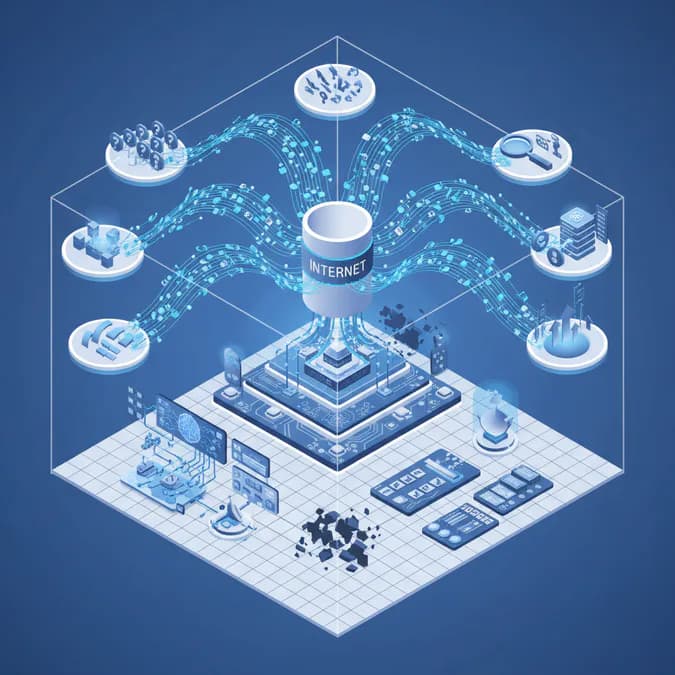
Internet outages can occur for various reasons, including server failures, cyberattacks, or even natural disasters. Regardless of the cause, the consequences are often similar: users experience frustration, confusion, and a sense of disconnection from the digital world. The emotional response to these outages is as significant as the technical failure itself, and understanding this dual narrative is crucial for both users and service providers.
The 7 Waves of User Reactions
When an internet service goes down, users typically go through a series of emotional stages. These stages can be categorized into seven distinct waves of complaints, each reflecting a different aspect of the outage experience.
- Initial Confusion: The first wave often involves users questioning whether the issue is isolated to them. They might ask, "Is it just me?" This confusion leads to frantic troubleshooting, where users check their devices, restart their routers, and even contact friends to confirm the outage.
- Social Media Outcry: As users realize the problem is widespread, they turn to social media platforms to express their frustrations. This wave is characterized by tweets, posts, and memes that capture the chaos and humor surrounding the outage.
- Seeking Information: Users then seek information about the outage. They check status pages, news articles, and community forums for updates. However, status pages often provide vague information, leading to further frustration.
- Frustration and Anger: As the outage persists, users' emotions escalate to frustration and anger. They may vent their feelings online, blaming the service provider for the disruption and demanding accountability.
- Acceptance: Eventually, users reach a stage of acceptance. They acknowledge that outages happen and that they are often beyond the control of the service provider. This acceptance can lead to a more constructive dialogue about the issue.
- Adaptation: In the wake of an outage, many users adapt their behavior. They may seek alternative services, develop backup plans, or change their online habits to mitigate future disruptions.
- Reflection: Finally, users reflect on the outage experience. They consider how it affected their daily lives and what lessons can be learned. This reflection can lead to increased awareness of the importance of reliable internet services and the need for better contingency plans.
The Role of Social Media
Social media plays a pivotal role during internet outages. It serves as a platform for users to share their experiences, seek information, and connect with others facing similar issues. The real-time nature of social media allows for rapid dissemination of information, but it can also amplify feelings of frustration and chaos.
How Social Media Shapes User Experience
During an outage, social media can be both a blessing and a curse. On one hand, it provides a space for users to vent their frustrations and find community support. On the other hand, the spread of misinformation can exacerbate panic and confusion. Service providers must navigate this landscape carefully, using social media to communicate effectively and transparently with their users.
Technical Failures and Their Consequences
While the emotional fallout from internet outages is significant, it is essential to understand the technical failures that lead to these disruptions. Common causes of outages include:
- Server Failures: Hardware or software malfunctions can lead to server outages, affecting users' ability to access services.
- Cyberattacks: Distributed Denial of Service (DDoS) attacks can overwhelm servers, causing widespread outages.
- Natural Disasters: Events such as earthquakes or hurricanes can damage infrastructure and disrupt internet services.
- Network Congestion: High traffic volumes can lead to slowdowns or outages, particularly during peak usage times.
Preparing for Future Outages
Given the inevitability of internet outages, both users and service providers must prepare for these events. Here are some strategies to consider:
- For Users: Develop a backup plan, such as having a mobile hotspot or alternative internet service, to ensure connectivity during outages.
- For Service Providers: Improve communication strategies by providing timely updates and clear information on status pages and social media.
- Invest in Infrastructure: Enhance network resilience through better infrastructure and cybersecurity measures to minimize the impact of outages.
What This Means for Cybersecurity
Understanding the emotional and technical aspects of internet outages is crucial for cybersecurity professionals. By recognizing the waves of user reactions, cybersecurity experts can better prepare for potential threats and improve their response strategies. Additionally, fostering transparent communication can help mitigate user frustration and build trust during outages.
The Bottom Line
Internet outages are complex events that encompass both technical failures and emotional responses. By exploring the seven waves of user reactions, we gain valuable insights into how individuals navigate these disruptions. As we move forward, it is essential for both users and service providers to prioritize preparedness and communication to minimize the impact of future outages.
Key Takeaways
- Internet outages trigger a range of emotional responses, from confusion to reflection.
- Social media plays a critical role in shaping user experiences during outages.
- Understanding technical failures is essential for both users and service providers.
- Preparation and effective communication can mitigate the impact of outages.
Frequently Asked Questions (FAQ)
What causes internet outages?
Internet outages can be caused by server failures, cyberattacks, natural disasters, and network congestion. Research indicates that these factors can disrupt connectivity significantly.
How can I prepare for an internet outage?
Users can prepare by developing backup plans, such as having a mobile hotspot or alternative internet service. Industry experts note that having a contingency plan can reduce the stress of unexpected outages.
Why is social media important during outages?
Social media allows users to share experiences, seek information, and connect with others during outages. It serves as a vital tool for real-time updates and community support.
For more insights on internet outages and their impact, visit our Internet Outages Insights page.