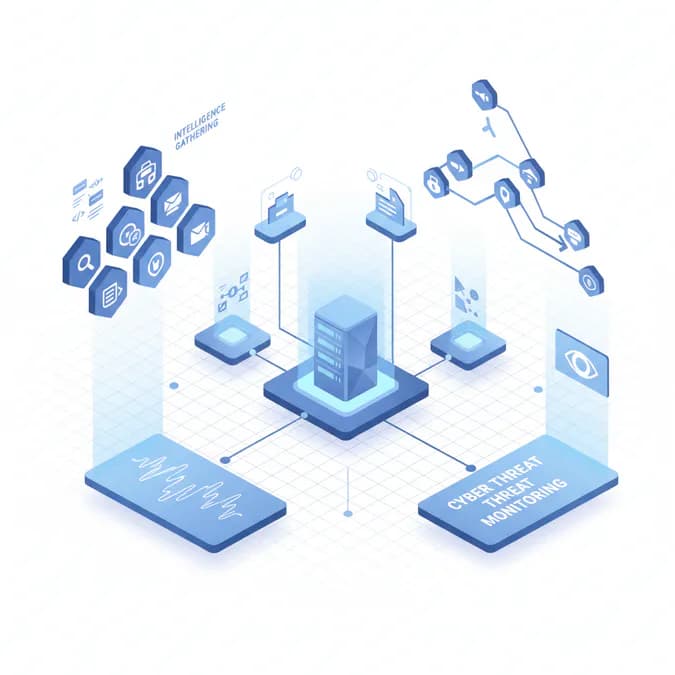
The Rise of Cybercrime

Cybercrime has been on the rise for years, with businesses increasingly targeted by hackers looking to exploit vulnerabilities for financial gain. The emergence of new technologies and methods has made it easier for cybercriminals to launch attacks, often with devastating consequences. The FBI's warning highlights a concerning trend: the democratization of hacking tools that allow even novice hackers to breach secure systems.
What is the New Hacking Tool?
The tool in question is designed to bypass traditional security measures, allowing unauthorized access to email accounts without the need for passwords. This capability significantly lowers the barrier to entry for cybercriminals, making it easier for them to launch attacks that were previously only possible for skilled hackers. The implications of this tool are profound, as it opens the door for a new wave of cybercrime that could affect countless businesses across the country.
How It Works
While the specific details of the tool's functionality are not publicly disclosed, it is believed to utilize advanced techniques such as phishing, social engineering, and exploiting software vulnerabilities. By leveraging these methods, attackers can gain access to sensitive information, including personal data, financial records, and proprietary business information.
The Impact on American Businesses
The FBI's alert serves as a wake-up call for American businesses, particularly those that may not have robust cybersecurity measures in place. The potential for widespread attacks raises several concerns:
- Increased Vulnerability: Businesses that rely heavily on email communication are particularly at risk, as this tool can easily compromise accounts and lead to data breaches.
- Financial Loss: The financial implications of a successful cyberattack can be staggering, with costs associated with recovery, legal fees, and potential fines.
- Reputation Damage: A data breach can severely damage a company's reputation, leading to a loss of customer trust and loyalty.
Preventative Measures for Businesses
In light of the FBI's warning, it is essential for businesses to take proactive steps to protect themselves against this new threat. Here are some recommended measures:
- Implement Strong Authentication: Businesses should adopt multi-factor authentication (MFA) to add an extra layer of security to email accounts.
- Regular Security Training: Employees should receive ongoing training on recognizing phishing attempts and other common cyber threats.
- Update Software Regularly: Keeping software and systems up to date can help mitigate vulnerabilities that hackers may exploit.
- Conduct Regular Security Audits: Regular assessments of security protocols can help identify and address potential weaknesses.
What This Means for Cybersecurity
The emergence of this hacking tool underscores the need for a more robust approach to cybersecurity. As cybercriminals become more sophisticated, businesses must adapt their strategies to stay one step ahead. This includes investing in advanced security solutions, such as artificial intelligence-driven threat detection systems, which can help identify and mitigate risks before they escalate.
The Role of Government and Law Enforcement
The FBI's proactive stance in issuing this warning highlights the importance of collaboration between government agencies and the private sector. By sharing information about emerging threats and best practices, businesses can better prepare themselves to face the evolving landscape of cybercrime. Additionally, law enforcement agencies must continue to pursue cybercriminals aggressively to deter future attacks.
Key Takeaways
The FBI's alert regarding the new hacking tool is a stark reminder of the ever-present threat of cybercrime. As technology continues to advance, so too do the methods employed by cybercriminals. Businesses must remain vigilant, adopting comprehensive cybersecurity strategies to protect their assets and ensure the safety of their operations. By taking proactive measures and fostering a culture of security awareness, organizations can better defend against the rising tide of cyber threats.
In conclusion, the cybersecurity landscape is changing rapidly, and the emergence of tools that lower the barrier for cybercrime presents a significant challenge. However, with the right strategies in place, businesses can navigate these challenges and protect themselves from potential attacks.
FAQ
What should I do if I suspect my email has been compromised?
If you suspect that your email has been compromised, immediately change your password and enable multi-factor authentication. Notify your IT department or cybersecurity team to investigate further.
How can I educate my employees about cybersecurity?
Regular training sessions and workshops on cybersecurity best practices can help educate employees. Consider using real-life examples and simulations to enhance their understanding.
Are there any tools to help protect against hacking?
Yes, various cybersecurity tools can help protect against hacking, including firewalls, antivirus software, and intrusion detection systems. It's essential to choose tools that fit your business's specific needs.
Table of Contents
- The Rise of Cybercrime
- What is the New Hacking Tool?
- How It Works
- The Impact on American Businesses
- Preventative Measures for Businesses
- What This Means for Cybersecurity
- The Role of Government and Law Enforcement
- Key Takeaways
- FAQ
For further reading, consider checking authoritative sources such as FBI Cyber Crime Division and CISA Cybersecurity Resources for the latest updates and information on cybersecurity best practices.