Understanding Botnets and Their Threats
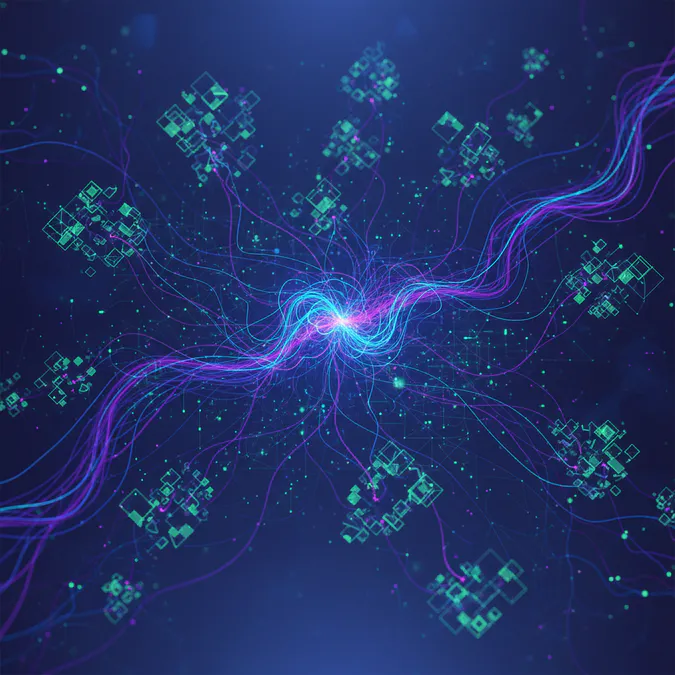
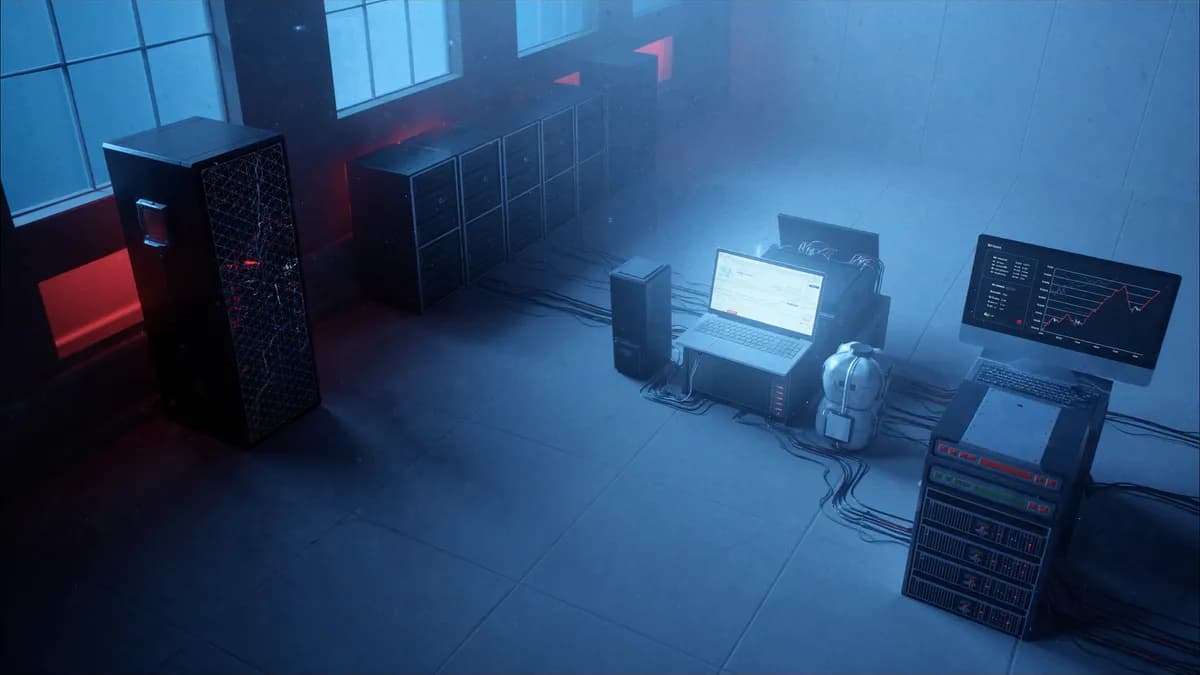
Botnets are networks of compromised computers or devices that are controlled by a single entity, often referred to as a botmaster. These networks can be used to execute a variety of malicious activities, including Distributed Denial of Service (DDoS) attacks, data theft, and spam distribution. The sheer scale and complexity of botnets make them particularly challenging to detect and neutralize.
As cybercriminals continue to innovate, the need for advanced detection techniques becomes increasingly urgent. Traditional methods, which often rely on signature-based detection, struggle to keep up with the rapid evolution of botnet tactics. This has led to a growing interest in machine learning and, more specifically, representation learning as a means to enhance detection capabilities. Botnet detection is crucial for maintaining the integrity of networks and protecting sensitive information.
What is Representation Learning?
Representation learning is a subset of machine learning that focuses on automatically discovering the representations or features of data that are most useful for a given task. In the context of cybersecurity, representation learning can help identify patterns and anomalies in network traffic that may indicate botnet activity.
Unlike traditional feature engineering, which requ

How Representation Learning Enhances Botnet Detection
The application of representation learning in detecting botnet attacks involves several key methodologies:
- Feature Extraction: Representation learning algorithms can automatically extract relevant features from network traffic data, enabling the identification of unusual patterns that may signify botnet activity.
- Dimensionality Reduction: By reducing the complexity of data, representation learning can help in visualizing and analyzing large datasets, making it easier to spot anomalies associated with botnets.
- Clustering and Classification: Advanced algorithms can categorize network traffic into different clusters, allowing for the identification of botnet behavior patterns and facilitating real-time detection.
These methodologies not only improve the accuracy of botnet detection but also enhance the speed at which threats can be identified and mitigated, ultimately leading to a more secure network environment.
Case Studies and Real-World Applications
Several studies have demonstrated the effectiveness of representation learning in detecting botnet attacks. For instance, researchers have applied deep learning techniques to analyze network traffic data, achieving significant improvements in detection rates compared to traditional methods.
In one notable case, a team utilized convolutional neural networks (CNNs) to identify botnet traffic patterns. By training the model on a diverse dataset of normal and malicious traffic, they were able to achieve a detection accuracy of over 95%. This highlights the potential of representation learning to not only enhance detection rates but also reduce false positives, a common challenge in cybersecurity.
Benefits of Using Representation Learning
The integration of representation learning into botnet detection offers several advantages:
- Scalability: As the volume of network traffic continues to grow, representation learning can scale effectively to analyze large datasets without a significant increase in computational resources.
- Adaptability: Representation learning models can adapt to new types of threats, making them more resilient against evolving botnet strategies.
- Improved Accuracy: By automatically learning relevant features, these models can achieve higher detection accuracy and lower false positive rates, enhancing overall botnet detection capabilities.
Challenges and Limitations
Despite its many benefits, the application of representation learning in botnet detection is not without challenges. Some of the key limitations include:
- Data Quality: The effectiveness of representation learning heavily relies on the quality and diversity of the training data. Poor quality data can lead to inaccurate models.
- Interpretability: Many representation learning models, particularly deep learning algorithms, can be difficult to interpret, making it challenging for cybersecurity professionals to understand the rationale behind detections.
- Resource Intensive: Training complex models can require significant computational resources and time, which may not be feasible for all organizations.
The Future of Botnet Detection with Representation Learning
As the cybersecurity landscape continues to evolve, the integration of representation learning into botnet detection strategies is likely to become increasingly prevalent. Ongoing research is focused on improving the efficiency and effectiveness of these models, as well as addressing the challenges associated with data quality and interpretability.
Moreover, the combination of representation learning with other advanced techniques, such as anomaly detection and reinforcement learning, holds promise for further enhancing botnet detection capabilities. By leveraging the strengths of multiple approaches, cybersecurity professionals can develop more robust and adaptive defenses against botnet threats.
What This Means for Cybersecurity Professionals
For cybersecurity professionals, understanding and implementing representation learning techniques can provide a significant edge in the ongoing battle against botnets. By adopting these advanced methodologies, organizations can improve their threat detection capabilities, reduce response times, and ultimately enhance their overall security posture.
As cyber threats continue to evolve, staying informed about the latest advancements in detection technologies will be crucial for maintaining effective defenses. Representation learning represents a powerful tool in this ongoing effort, offering new possibilities for safeguarding networks against the ever-present threat of botnets.
Key Takeaways
- Botnet detection is essential for protecting networks from malicious activities.
- Representation learning enhances detection capabilities through automated feature extraction and analysis.
- While there are challenges, the benefits of improved accuracy and adaptability make representation learning a valuable approach.
- Staying updated on detection technologies is vital for cybersecurity professionals.
Frequently Asked Questions (FAQ)
What is a botnet?
A botnet is a network of compromised devices controlled by a botmaster, used for malicious activities like DDoS attacks and data theft.
How does representation learning improve botnet detection?
Representation learning automates feature extraction and pattern recognition, enhancing the accuracy and speed of botnet detection.
What are the challenges of using representation learning?
Challenges include data quality, model interpretability, and the resource-intensive nature of training complex models.
Table of Contents
- Understanding Botnets and Their Threats
- What is Representation Learning?
- How Representation Learning Enhances Botnet Detection
- Case Studies and Real-World Applications
- Benefits of Using Representation Learning
- Challenges and Limitations
- The Future of Botnet Detection with Representation Learning
- What This Means for Cybersecurity Professionals
- Key Takeaways
- Frequently Asked Questions (FAQ)
For more information on botnet detection and cybersecurity, consider visiting authoritative sources such as CISA or NIST.