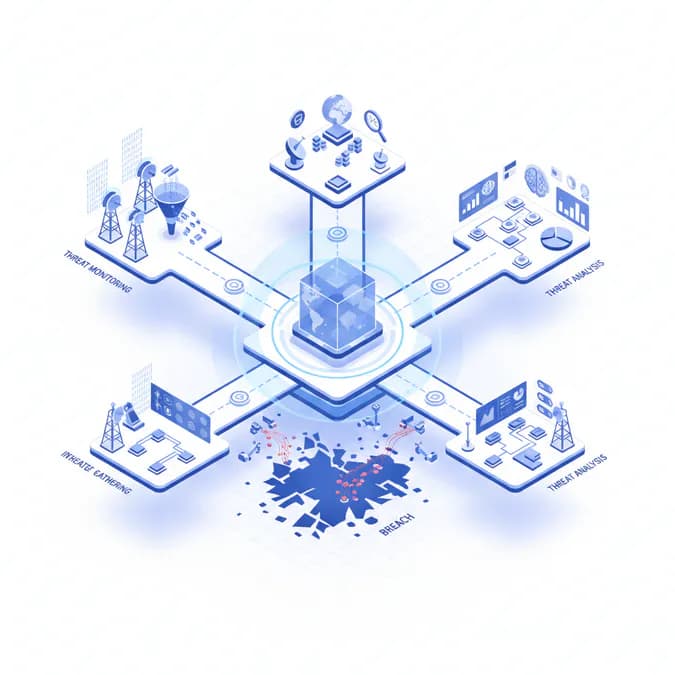
In February 2026, Singapore's Cyber Security Agency (CSA) revealed a significant cyber incident involving UNC3886 breach attributed to a China-linked threat actor. This breach represents a critical moment in the evolving landscape of advanced persistent threats targeting critical infrastructure and government systems in the Asia-Pacific region. Understanding the implications and response strategies is essential for organizations worldwide.
The UNC3886 breach incident underscores the persistent and sophisticated nature of state-sponsored cyber operations. While initial reports confirmed the involvement of UNC3886, the full scope of the attack, specific targets, and the extent of data compromise remained unclear in the immediate aftermath of the disclosure. This ambiguity is not uncommon in major cyber incidents, as attribution and damage assessment require extensive forensic investigation.
Understanding UNC3886 and Its Operational History
UNC3886 is a threat actor that has been tracked by cybersecurity researchers for its involvement in advanced cyber espionage campaigns. The group is suspected of operating under the direction or with support from Chinese state interests, though definitive attribution in cyber operations remains challenging. The group has historically targeted organizations across multiple sectors, including government agencies, technology companies, and critical infrastructure operators.
The designation "UNC" (Uncategorized) is used by threat intelligence firms to identify threat actors before they can be definitively attributed or categorized. This naming convention reflects the inherent difficulty in cyber attribution, where attackers often employ techniques to obscure their origins, use compromised infrastructure from multiple countries, and employ operational security measures designed to prevent identification.
The Singapore Incident: What We Know
Singapore's Cyber Security Agency disclosed the breach as part of its commitment to transparency and public awareness regarding significant cyber threats. The agency's announcement indicated that UNC3886 had successfully breached systems, though the specific government or private sector entities affected were not immediately detailed in public statements.
The timing of this disclosure in Febr

Attribution Challenges in Modern Cyber Warfare
One of the most significant aspects of the UNC3886 incident is the ongoing uncertainty regarding attribution. Cybersecurity professionals understand that attribution in cyber operations is fundamentally different from attribution in traditional military or intelligence operations. Several factors contribute to this complexity:
- Attackers can route their operations through compromised systems in multiple countries, creating false trails that point to innocent nations or organizations.
- Threat actors frequently employ code, tools, and techniques that are publicly available or have been used by other groups, making it difficult to determine the true source of an attack.
- The speed of cyber operations means that initial assessments may be incomplete or incorrect, requiring months of investigation to establish accurate attribution.
The CSA's acknowledgment that "it is so far unclear who is behind the attack" reflects this reality. While UNC3886 may have been involved in the technical execution of the breach, determining whether the group was acting independently, under state direction, or as part of a broader campaign requires extensive analysis of operational patterns, targeting priorities, and strategic objectives.
Implications for Regional Cybersecurity
The UNC3886 breach has significant implications for cybersecurity posture across the Asia-Pacific region. Singapore's status as a developed nation with advanced cyber defenses makes this incident particularly noteworthy. If a sophisticated threat actor successfully breached Singapore's systems, it suggests that even well-resourced nations face persistent challenges in defending against advanced persistent threats.
For organizations throughout the region, the incident serves as a reminder that cyber threats from state-sponsored actors represent an ongoing and evolving challenge. These threats are characterized by:
- Advanced technical capabilities and access to zero-day vulnerabilities.
- Persistent operational patience, with campaigns lasting months or years.
- Sophisticated social engineering and supply chain attack techniques.
- Significant resources dedicated to evading detection and maintaining access.
- Strategic objectives aligned with national interests in espionage, intellectual property theft, or infrastructure disruption.
Organizational Response and Defense Strategies
In response to incidents like the UNC3886 breach, organizations should prioritize several key defensive measures:
1. Advanced Monitoring and Detection: Organizations must implement robust network monitoring and threat detection capabilities. This includes deploying advanced security information and event management (SIEM) systems, endpoint detection and response (EDR) solutions, and network detection and response (NDR) tools that can identify suspicious activity patterns consistent with advanced persistent threats.
2. Security Assessments: Organizations should conduct comprehensive security assessments and penetration testing to identify vulnerabilities that sophisticated threat actors might exploit. This includes evaluating both technical vulnerabilities and organizational security practices.
3. Incident Response Planning: Incident response planning and tabletop exercises should be conducted regularly to ensure that organizations can respond effectively when breaches occur. The speed and effectiveness of incident response can significantly limit the damage caused by successful attacks.
4. Zero-Trust Architecture: Organizations should implement zero-trust security architectures that assume no user or system is inherently trustworthy. This approach requires continuous verification of identity and device security before granting access to critical systems and data.
The Role of Information Sharing
The CSA's disclosure of the UNC3886 incident reflects the importance of information sharing in the cybersecurity community. When government agencies share information about significant threats, it enables other organizations to implement appropriate defensive measures and identify potential compromise within their own networks.
Information sharing about cyber threats occurs through multiple channels, including formal government advisories, industry information sharing organizations, and direct communication between cybersecurity professionals. The effectiveness of these sharing mechanisms depends on balancing the need for operational security with the imperative to warn potential targets about emerging threats.
Looking Forward: Evolving Threat Landscape
The UNC3886 incident is one of many sophisticated cyber operations that will likely continue to target government and critical infrastructure systems. As nations invest in advanced cyber capabilities, the frequency and sophistication of state-sponsored cyber attacks will likely increase.
Organizations must recognize that cyber defense is not a one-time project but an ongoing process of adaptation and improvement. Threat actors continuously evolve their techniques, tools, and tactics in response to defensive measures. This means that organizations must maintain a commitment to continuous security improvement, threat intelligence integration, and incident response readiness.
The incident also highlights the importance of international cooperation in addressing cyber threats. When state-sponsored actors conduct operations across borders, effective response requires coordination between national governments, law enforcement agencies, and the private sector.
What This Means for Your Organization
The UNC3886 breach disclosed by Singapore's Cyber Security Agency represents a significant cyber incident with implications for regional security. While attribution remains incomplete, the incident demonstrates the persistent threat posed by sophisticated state-sponsored cyber actors. Organizations should use this incident as a catalyst for evaluating and improving their own cybersecurity posture, implementing advanced detection capabilities, and maintaining readiness for incident response. The evolving nature of cyber threats requires ongoing vigilance, information sharing, and investment in security capabilities that can detect and respond to advanced persistent threats before they cause significant damage.
Key Takeaways
- The UNC3886 breach highlights the evolving threat landscape posed by state-sponsored actors.
- Organizations must adopt advanced monitoring and detection strategies to protect against sophisticated cyber threats.
- Incident response planning and zero-trust architectures are essential in mitigating risks.
- Information sharing among organizations enhances collective cybersecurity defenses.
- Continuous adaptation and improvement are necessary to combat the persistent nature of cyber threats.
Frequently Asked Questions (FAQ)
What is the UNC3886 breach?
The UNC3886 breach refers to a significant cyber incident attributed to a China-linked threat actor, impacting critical infrastructure and government systems in Singapore.
Why is attribution challenging in cyber incidents?
Attribution is challenging due to the use of compromised systems, publicly available tools, and the speed of cyber operations, which can obscure the true source of an attack.
What defensive measures should organizations implement?
Organizations should focus on advanced monitoring, security assessments, incident response planning, and adopting zero-trust architectures to enhance their cybersecurity posture.
Table of Contents
- Understanding UNC3886 and Its Operational History
- The Singapore Incident: What We Know
- Attribution Challenges in Modern Cyber Warfare
- Implications for Regional Cybersecurity
- Organizational Response and Defense Strategies
- The Role of Information Sharing
- Looking Forward: Evolving Threat Landscape
- What This Means for Your Organization
- Key Takeaways
- Frequently Asked Questions (FAQ)