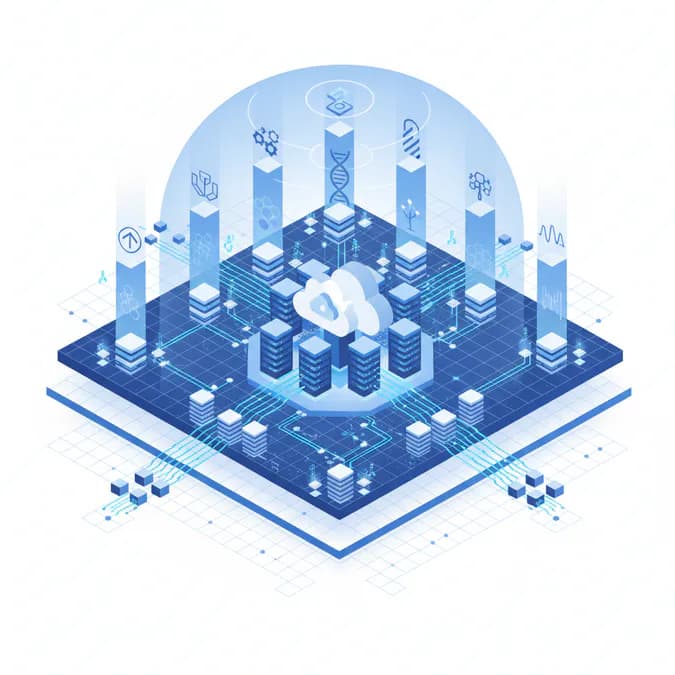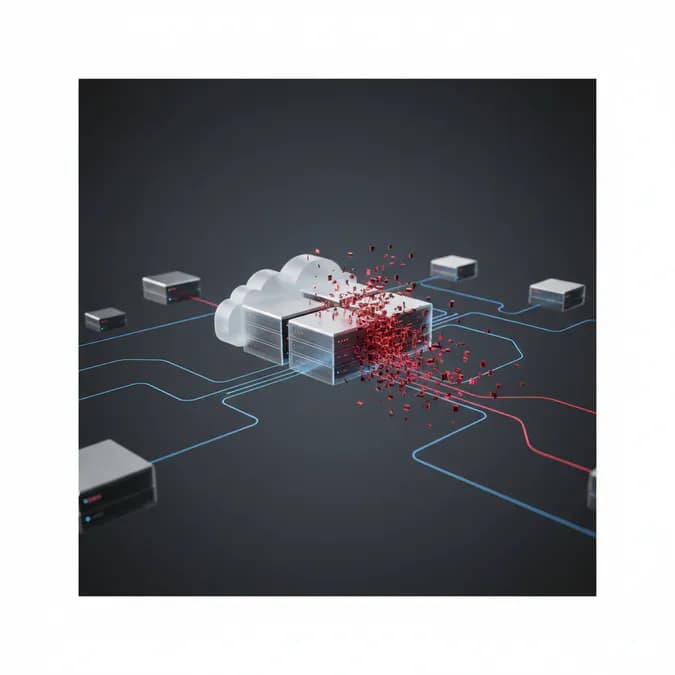
The European Commission has confirmed a significant data breach stemming from a supply chain attack targeting the Trivy vulnerability scanner. Over 300GB of sensitive data, including personal information, was stolen from the Commission's AWS environment, highlighting the critical risks associated with open-source software supply chains.
Introduction
A major cybersecurity incident has come to light involving the European Commission, where a data breach resulting from a supply chain attack on the Trivy vulnerability scanner led to the exfiltration of over 30

Details of the Breach
The incident began in late February 2026 when TeamPCP compromised the GitHub repository of Trivy, an open-source vulnerability scanner developed by Aqua Security. The attackers managed to push malicious code to 76 of 77 version tags in the trivy-action repository, even after credential rotation [CERT-EU Blog]. On March 19, 2026, the European Commission's automated security pipeline downloaded this compromised update, which contained malware designed to harvest an AWS API key [SANS Internet Storm Center].
This stolen API key granted the attackers access to the Commission's AWS environment, which hosts the Europa.eu web platform. The attackers then exfiltrated approximately 340GB of uncompressed data (92GB compressed) [CERT-EU Blog]. The European Commission's Security Operations Center (SOC) detected the breach on March 24, five days after the initial access [SANS Internet Storm Center]. The data was subsequently leaked on the dark web by the ShinyHunters group on March 28, 2026 [SecurityWeek].
Key Events and Timeline
- Late February 2026: TeamPCP compromises the Trivy GitHub repository [Aqua Security].
- March 19, 2026: The European Commission's pipeline downloads the malicious Trivy update, leading to the theft of an AWS API key [SANS Internet Storm Center].
- March 24, 2026: The breach is detected by the European Commission's SOC [SANS Internet Storm Center].
- March 28, 2026: ShinyHunters leaks the stolen data on the dark web [SecurityWeek].
Impact on Personal Data
The stolen data included personal details, emails, and communications from 71 clients across 42 internal EC departments and 29 other EU entities, including the European Medicines Agency (EMA), European Banking Authority (EBA), European Union Agency for Cybersecurity (ENISA), and European Border and Coast Guard Agency (Frontex) [CERT-EU Blog, SecurityWeek].
Specifically, the breach exposed approximately 52,000 files (2.22 GB) of outbound email communications, which may contain personal data in bounce-back notifications [CERT-EU Blog]. The European Commission has stated that there is no evidence of lateral movement to other AWS accounts [CERT-EU Blog].
Response from the European Commission
Following the detection of the breach, the European Commission took steps to contain the incident and investigate its scope. CERT-EU publicly disclosed the breach on April 2-3, 2026, after the data was leaked on the dark web [SecurityWeek].
CERT-EU stated, "We assess with high confidence that initial access was obtained through the Trivy supply-chain compromise, which was publicly attributed to a threat actor known as TeamPCP" [CERT-EU Blog]. The European Commission is working to notify affected parties and implement measures to prevent similar incidents in the future.
Key Takeaways
The European Commission data breach serves as a stark reminder of the vulnerabilities inherent in open-source software supply chains. Key takeaways from this incident include:
- Supply Chain Risks: The breach highlights the significant risks associated with using open-source tools and the potential for attackers to compromise critical infrastructure through supply chain attacks.
- Importance of Detection: The five-day delay in detecting the breach underscores the importance of robust monitoring and threat detection capabilities.
- Data Protection: The exfiltration of personal data emphasizes the need for strong data protection measures and incident response plans.
- Vendor Security: Organizations must carefully vet the security practices of their vendors and third-party suppliers.
As a cybersecurity analyst from SANS ISC Diary noted, "Organizations with AWS credentials that may have been exposed through the Trivy compromise should treat the EC breach as confirmation that stolen credentials are being actively used against high-value targets" [SANS Internet Storm Center]. This incident underscores the need for continuous vigilance and proactive security measures to protect against evolving cyber threats.
FAQ
What is a data breach?
A data breach is an incident where unauthorized individuals gain access to sensitive, protected, or confidential data, often leading to data theft or exposure.
How can organizations prevent data breaches?
Organizations can prevent data breaches by implementing strong security measures, conducting regular audits, training employees on cybersecurity best practices, and ensuring third-party vendors adhere to security protocols.
What should I do if my data is compromised?
If your data is compromised, you should immediately change your passwords, monitor your accounts for suspicious activity, and report the incident to the relevant authorities.
Sources
- Automated Pipeline
- European Commission cloud breach: a supply-chain compromise
- Hackers breached the European Commission by poisoning the security tool it used to protect itself
- CERT-EU blames Trivy supply chain attack for Europa.eu data breach
- Trivy supply chain attack enabled European Commission cloud breach
- TeamPCP Supply Chain Campaign: Update 006 - CERT-EU Confirms European Commission Cloud Breach
- Source: securityweek.com
- Source: bleepingcomputer.com
- Source: techradar.com
- Source: cybernews.com