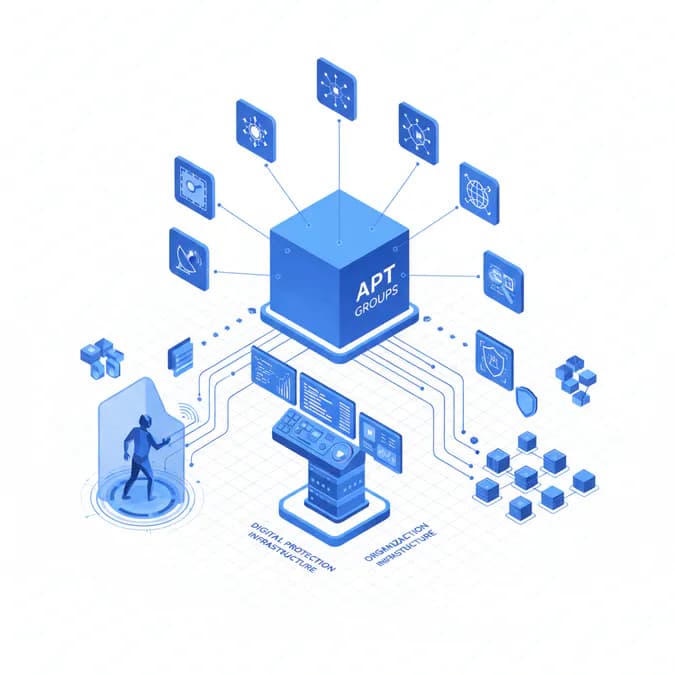
Introduction to APT Groups
Advanced Persistent Threats (APTs) are not just opportunistic cybercriminals; they are sophisticated, resourceful groups often backed by nation-states. These groups engage in long-term intrusions with specific objectives such as espionage, sabotage, financial theft, or influence operations. APTs are particularly notable for their ability to remain undetected for extended periods, allowing them

Mandiant/Google Cloud Overview of APT Activity
According to a recent report by Google Cloud and Mandiant, APT activity has been on the rise, with particular attention to APT37. This group, linked to North Korea, has been active since at least 2012 and is known for its persistent and evolving tactics. The report highlights the following key points:
- APT37 is widely assessed to be North Korea-linked.
- These actors have been involved in both espionage and financially motivated cyber operations.
- Zero-day exploitation is increasingly common in state-backed intrusion playbooks.
- Wiper malware is utilized to destroy data and disrupt operations.
- APT campaigns often target critical sectors such as government, defense, telecommunications, and finance.
APT37: Expansion and Sophistication
APT37, also known as ScarCruft, has demonstrated significant evolution in its operational capabilities. The group has broadened its target landscape and adopted more sophisticated tools and techniques. As noted by MITRE ATT&CK, "APT37 is a North Korea-nexus threat group that has used a wide range of malware and techniques to target individuals and organizations of interest to the North Korean regime". This evolution reflects a strategic shift towards more complex attack vectors, including:
- Increased use of spear-phishing campaigns to gain initial access.
- Deployment of custom malware designed to evade detection.
- Utilization of lateral movement techniques to navigate within compromised networks.
These strategies underscore the group's commitment to long-term, mission-driven operations that can remain hidden for months while extracting data or preparing for destructive actions.
Zero-Day Exploits and Wiper Malware Tactics
One of the most alarming trends in APT activity is the increasing reliance on zero-day exploits. These vulnerabilities are particularly dangerous because they are unknown to the software vendor and, therefore, unpatched. Recent reports indicate that state-backed groups like APT37 are leaning harder on these unpatched flaws to gain initial access before defenders can respond. This tactic has been corroborated by various cybersecurity vendors, including Rapid7, which notes that "APT groups are threat actors operated by nation states or state-sponsored groups".
Wiper malware is another critical tool in the arsenal of APT groups. This type of malware is designed to erase data, disrupt operations, and complicate incident response. The use of wiper malware has been documented in politically motivated operations, serving as a geopolitical disruption tool. As highlighted in ongoing threat analysis, wipers are increasingly being used to destroy data and impede recovery efforts.
North Korean Interests and APT Alignment
The activities of APT37 are closely aligned with the strategic interests of the North Korean regime. The group has been linked to a mix of cyber espionage and disruptive tradecraft, targeting sectors that are critical to national security and economic stability. For instance, APT37 has been associated with:
- Cyber espionage against government and defense sectors.
- Financially motivated operations targeting banks and financial institutions.
- Attacks on telecommunications and high-tech sectors to disrupt communications.
These operations reflect a broader strategy of leveraging cyber capabilities to achieve geopolitical objectives, as North Korea seeks to enhance its influence and undermine adversaries.
Conclusion
As APT groups like APT37 continue to evolve, the implications for cybersecurity are profound. Organizations must remain vigilant and proactive in their defense strategies, particularly against the sophisticated tactics employed by state-sponsored actors. Understanding the dynamics of APT activity, including the use of zero-day exploits and wiper malware, is essential for developing effective countermeasures. The landscape of cybersecurity is constantly changing, and staying informed about these threats is crucial for safeguarding sensitive information and maintaining operational integrity.
Key Takeaways
- APT Groups, particularly APT37, are sophisticated threats linked to nation-states.
- Zero-day exploits and wiper malware are increasingly common tactics used by these groups.
- Organizations must adopt proactive cybersecurity measures to defend against these evolving threats.
FAQ
What are APT Groups?
APT Groups are advanced persistent threats that are often state-sponsored and engage in long-term cyber intrusions for various objectives, including espionage and sabotage.
How does APT37 operate?
APT37 employs sophisticated tactics, including spear-phishing and custom malware, to infiltrate networks and achieve their goals.
Why are zero-day exploits significant?
Zero-day exploits are vulnerabilities that are unknown to software vendors, making them particularly dangerous as they can be exploited before a patch is available.
Sources
- Automated Pipeline
- The DPRK Threat Landscape: APT37, Zero-Day Exploitation, and Global Targeting
- APT37 (ScarCruft) – ATT&CK Group Overview
- North Korean Cyber Threat Activity
- Source: cloudsek.com
- Source: docs.rapid7.com
- Source: attack.mitre.org
- Source: unit42.paloaltonetworks.com
- Source: huntress.com
- Source: flashpoint.io
- Source: crowdstrike.com
- Source: ibm.com