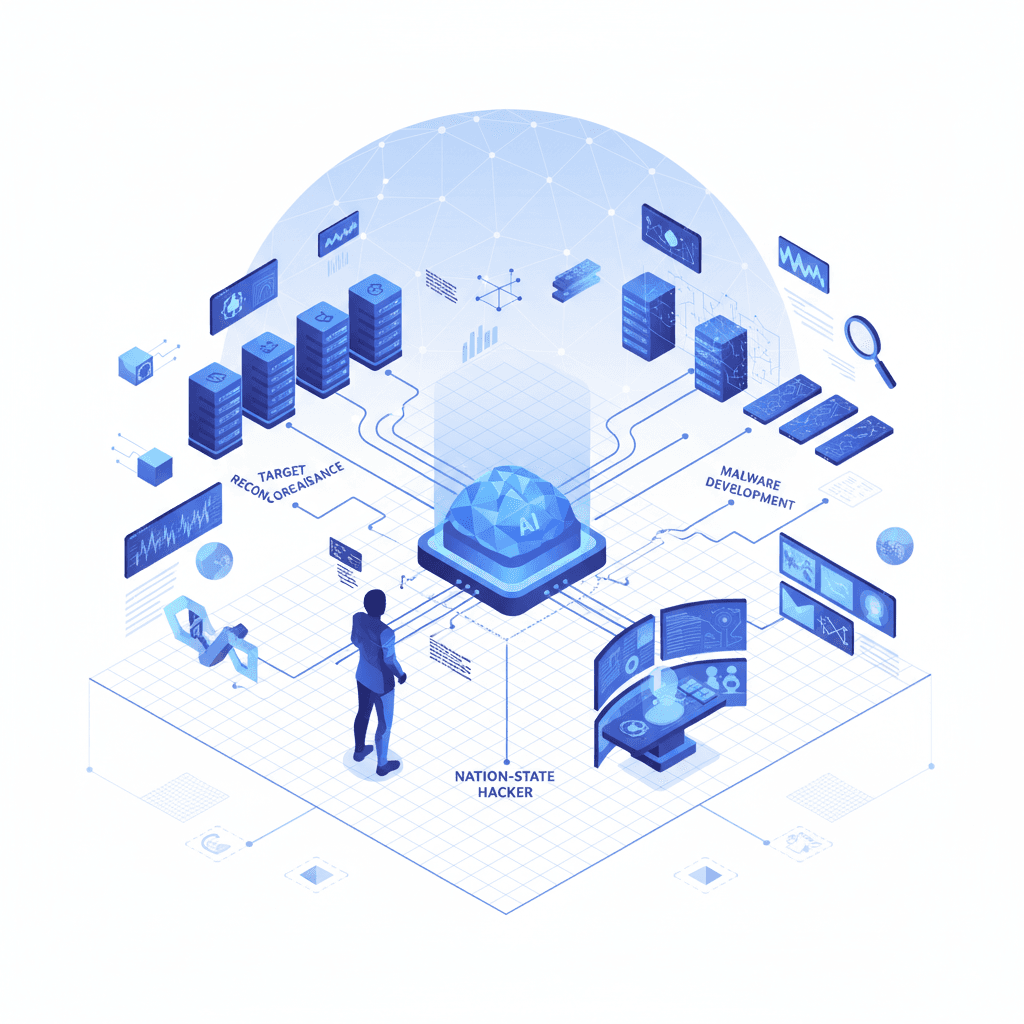
In recent developments within the cybersecurity landscape, researchers have uncovered that advanced persistent threat (APT) groups are increasingly employing AI cybersecurity tools, particularly Gemini, for various malicious activities. This trend highlights a significant evolution in the tactics used by cybercriminals, especially those backed by nation-states, as they seek to enhance their operational efficiency and effectiveness in targeting potential victims.
The use of AI in cyber operations is not entirely new; however, the specific application of tools like Gemini for coding and scripting tasks marks a notable shift. These tools enable hackers to automate processes that were previously time-consuming and labor-intensive, allowing for faster and more sophisticated attacks.
Understanding the Role of AI in Cybersecurity
Artificial intelligence has transformed numerous industries, and cybersecurity is no exception. AI cybersecurity tools can analyze vast amounts of data, identify patterns, and even predict potential vulnerabilities. For APT groups, leveraging AI like Gemini can significantly enhance their reconnaissance capabilities. By automating the gathering of information about potential targets, these hackers can create detailed profiles that inform their attack strategies.
How Gemini is Being Used by APT Groups
Researchers have identified several key ways in which APT groups utilize Gemini:
- Target Reconnaissance: APT groups are using Gemini to collect data on potential targets. This includes researching publicly available information, social media profiles, and other digital footprints that can provide insights into an organization’s vulnerabilities.
- Malware Coding: The AI tool is also being employed for coding and scripting tasks. This allows hackers to develop custom malware more efficiently, tailoring their malicious software to exploit specific weaknesses in their targets’ defenses.
- Automated Analysis: Gemini can automate the analysis of security systems, helping hackers identify weaknesses and potential entry points without the need for extensive manual effort.
The implications of these developments are profound. As APT groups become more adept at using AI tools, the cybersecurity landscape will need to evolve in response. Organizations must remain vigilant and proactive in their defense strategies to counteract these sophisticated threats.
The Growing Threat of APT Groups
APT groups are often state-sponsored and possess significant resources and expertise. Their motivations can range from espionage to disruption, making them particularly dangerous. The integration of AI into their operations only amplifies this threat. With the ability to conduct reconnaissance and develop malware at an unprecedented pace, these groups can execute attacks that are both more frequent and more damaging.
Organizations across various sectors, including government, finance, and healthcare, are prime targets for these cybercriminals. The data breaches and disruptions caused by APT attacks can have far-reaching consequences, impacting not only the targeted organizations but also their clients and stakeholders.
Mitigating the Risks with AI Cybersecurity
To combat the rising threat posed by APT groups utilizing AI tools like Gemini, organizations must adopt a multi-layered cybersecurity strategy. Here are some essential steps:
- Regular Security Audits: Conducting frequent security assessments can help identify vulnerabilities before they can be exploited.
- Employee Training: Educating employees about cybersecurity best practices can reduce the risk of successful phishing attacks and other social engineering tactics.
- Advanced Threat Detection: Implementing AI-driven security solutions can enhance the ability to detect and respond to threats in real-time.
- Incident Response Plans: Having a robust incident response plan in place ensures that organizations can respond swiftly to any breaches that occur.
Key Takeaways
In conclusion, the rise of AI tools like Gemini in the arsenal of nation-state hackers represents a significant challenge for cybersecurity. As these threats evolve, so too must the strategies employed by organizations to protect themselves. By understanding the tactics used by APT groups and implementing comprehensive security measures, organizations can better safeguard their assets against the growing tide of cyber threats.
Frequently Asked Questions (FAQ)
What is AI cybersecurity?
AI cybersecurity refers to the use of artificial intelligence technologies to enhance the security of computer systems and networks against cyber threats.
How do APT groups use AI tools?
APT groups use AI tools like Gemini for target reconnaissance, malware coding, and automated analysis to enhance their attack strategies.
What can organizations do to protect against APT threats?
Organizations can protect against APT threats by conducting regular security audits, training employees, implementing advanced threat detection, and having incident response plans in place.
Additional Resources
For further reading on AI cybersecurity, consider visiting authoritative sources such as CISA and NIST for guidelines and best practices.