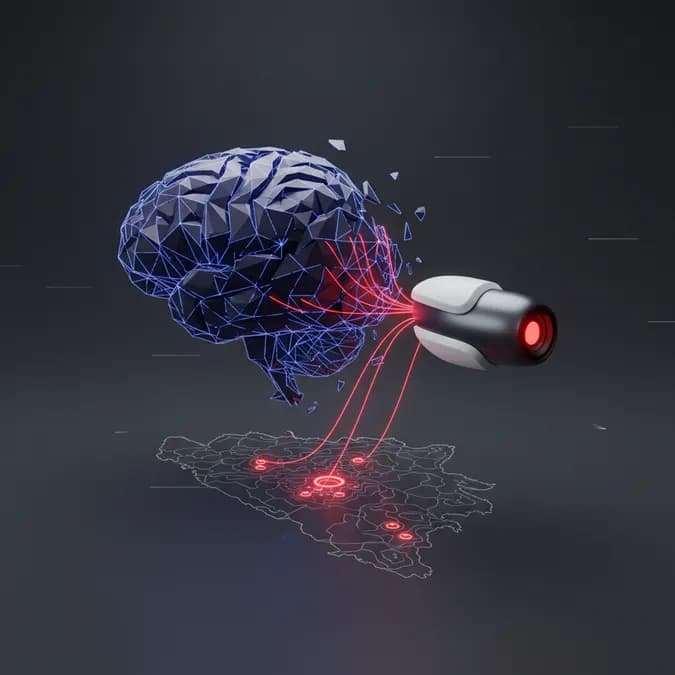
The rapid advancement and integration of artificial intelligence (AI) have brought about unprecedented opportunities, but also significant cybersecurity challenges. As AI becomes more prevalent in various sectors, the risk of AI cyberattacks is escalating, leaving many countries vulnerable. This article delves into the countries most at risk from AI cyberattacks, with a particular focus on Bosnia and Herzegovina, and explores strategies to mitigate these emerging threats.
The Growing Threat of AI Cyberattacks
The digital landscape is rapidly evolving, with artificial intelligence (AI) playing an increasingly significant role. However, this technological advancement also brings new cybersecurity challenges. AI cyberattacks are becoming more sophisticated and frequent, posing a significant threat to countries worldwide. Understanding these risks and implementing robust cybersecurity measures is c

Bosnia and Herzegovina's Cybersecurity Gap
Bosnia and Herzegovina faces a significant cybersecurity challenge due to a substantial gap between AI adoption and the implementation of effective cybersecurity policies. According to Automated Pipeline, the country exhibits the largest disparity in new cybersecurity policies and crisis management when it comes to AI integration and safety. This vulnerability makes it a prime target for AI cyberattacks.
Specifically, Bosnia and Herzegovina scores 0 for digital policies and crisis management measures, despite a 20% AI adoption rate across public, business, and technological sectors. This lack of preparedness is alarming, especially considering the increasing sophistication of cyber threats. A Check Point report from March 2026 indicates that 14% of the country's critical infrastructure is vulnerable to hacking, with Botnet attacks being the primary threat vector.
Furthermore, data from the StateGlobe Cybersecurity Threats Report 2026 reveals a concerning trend:
- Ransomware attacks increased by 45% in 2026, targeting both private and public sectors.
- Cryptojacking incidents rose by 60% in 2026, with malicious scripts mining cryptocurrencies on compromised systems.
- IoT device exploitation increased by 52% in 2026, with insecure smart devices becoming prime targets for malicious actors.
AI Integration in Cybersecurity Policies: Best Practices
To effectively combat AI cyberattacks, it is essential to integrate AI into cybersecurity policies. This involves leveraging AI for threat detection, anomaly monitoring, and incident response. Here are some best practices for AI integration in cybersecurity policies:
- Develop AI-driven threat detection systems: Implement AI algorithms to analyze network traffic and identify suspicious activities in real-time.
- Utilize AI for anomaly monitoring: Use AI to establish baseline behaviors and detect deviations that may indicate a cyberattack.
- Automate incident response with AI: Employ AI to automate the process of identifying, containing, and eradicating cyber threats.
- Establish governance frameworks: Develop clear guidelines and regulations for the ethical and secure use of AI in cybersecurity.
- Implement minimum security requirements: Enforce baseline security measures for AI service deployment, as seen with Google Cloud and AWS.
Crisis Management Strategies for AI-Driven Threats
Effective crisis management is crucial for mitigating the impact of AI-driven cyberattacks. Organizations must develop comprehensive strategies to respond to and recover from these incidents. Key components of a robust crisis management strategy include:
- Incident Response Plan: A well-defined plan that outlines the steps to be taken in the event of a cyberattack.
- Data Backup and Recovery: Regular backups of critical data and systems to ensure quick recovery after an attack.
- Communication Protocols: Clear communication channels to keep stakeholders informed during a crisis.
- Cybersecurity Training: Regular training for employees to recognize and respond to cyber threats.
- Collaboration and Information Sharing: Sharing threat intelligence and best practices with other organizations and government agencies.
Global Comparison of AI Cybersecurity Readiness
The readiness of countries to defend against AI cyberattacks varies significantly. While some nations have made substantial investments in cybersecurity infrastructure and policies, others lag behind. According to the Global Cybersecurity Index 2026: AI Threat Assessment, countries with strong digital policies and crisis management measures are better equipped to handle AI-driven threats. However, many countries, particularly those in transition or developing economies, lack the necessary resources and expertise.
The World Economic Forum Global Risks Report 2026 highlights that 87% of global CEOs identified AI-related vulnerabilities as the fastest-growing cyber risk in 2026. This underscores the urgent need for global cooperation and capacity-building initiatives to address AI cybersecurity gaps.
Recommendations for Improving AI Cybersecurity
To enhance AI cybersecurity, countries and organizations should consider the following recommendations:
- Invest in Cybersecurity Infrastructure: Allocate resources to upgrade cybersecurity systems and infrastructure.
- Develop Comprehensive Cybersecurity Policies: Create and implement robust cybersecurity policies that address AI-driven threats.
- Enhance Cybersecurity Training: Provide regular training for employees to improve their awareness of cyber threats and best practices.
- Promote International Collaboration: Foster collaboration and information sharing among countries and organizations to strengthen cyber resilience.
- Strengthen AI Governance: Develop clear guidelines and regulations for the ethical and secure use of AI in cybersecurity.
- Participate in Capacity-Building Programs: Engage in programs like the Council of Europe's AI Governance Training to strengthen institutional capacities.
As Mastercard Leadership stated, "Nobody can outspend this problem. You cannot defend against everything. If it's not intelligence-led, you're going to lose." This highlights the importance of proactive and intelligence-driven cybersecurity strategies.
Conclusion: Mitigating the Risks of AI Cyberattacks
The threat of AI cyberattacks is a growing concern for countries worldwide. Bosnia and Herzegovina's cybersecurity gap serves as a stark reminder of the vulnerabilities that exist. By integrating AI into cybersecurity policies, implementing robust crisis management strategies, and fostering international collaboration, it is possible to mitigate the risks of AI cyberattacks and protect critical infrastructure and sensitive data. As Check Point Software Technologies CEO Nadav Zafrir noted, "The next few years are going to be chaotic because of the interoperability... We are introducing new capabilities much faster than we understand what they can do and where they're going." Therefore, continuous vigilance and adaptation are essential in the fight against AI-driven cyber threats.
Key Takeaways
- AI cyberattacks are a growing threat, especially in vulnerable countries like Bosnia and Herzegovina.
- Integrating AI into cybersecurity policies is essential for effective threat detection and response.
- Robust crisis management strategies can mitigate the impact of cyberattacks.
- International collaboration is crucial for enhancing global cybersecurity resilience.
FAQs
What are AI cyberattacks?
AI cyberattacks refer to cyber threats that utilize artificial intelligence technologies to enhance their effectiveness, making them more sophisticated and harder to detect.
Why is Bosnia and Herzegovina particularly vulnerable to AI cyberattacks?
Bosnia and Herzegovina has a significant gap between AI adoption and effective cybersecurity policies, making it a prime target for cyber threats.
What can organizations do to prepare for AI cyberattacks?
Organizations should develop AI-driven threat detection systems, implement crisis management strategies, and invest in cybersecurity training to enhance their preparedness.
Sources
- Automated Pipeline
- Global Cybersecurity Index 2026: AI Threat Assessment
- Check Point Threat Intelligence Report: Regional Vulnerability Analysis
- European Union AI Act Implementation: Cybersecurity Compliance Framework
- World Economic Forum Global Risks Report 2026: Cyber Resilience
- Source: stateglobe.com
- Source: corporatecomplianceinsights.com
- Source: rm.coe.int
- Source: cloud.google.com
- Source: respaweb.eu
- Source: mastercard.com
- Source: colortokens.com