Understanding the Current Cybersecurity Landscape

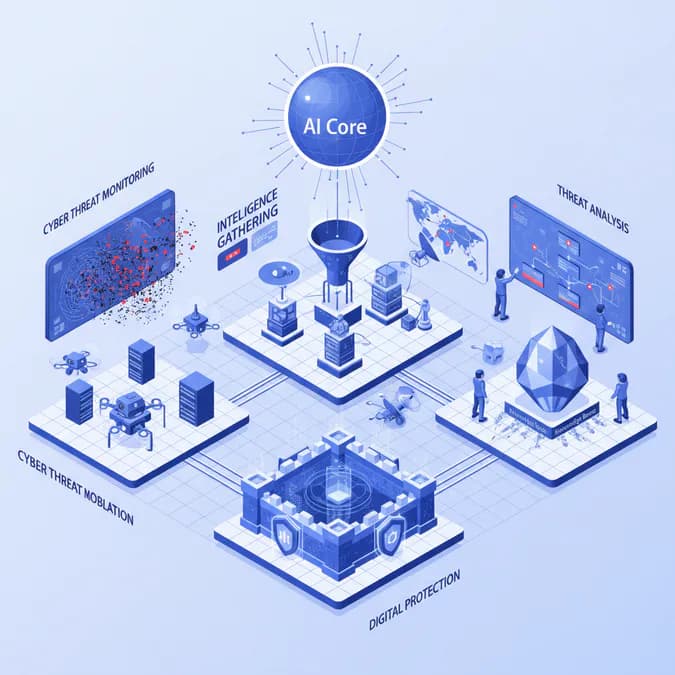
The phrase "it got stupid again" may resonate with many cybersecurity professionals as they navigate a world where the internet feels precariously held together by tape. The reality is that bad plugins, legacy bugs, and untrustworthy applications are becoming the norm. As the digital realm evolves, so too do the tactics employed by cybercriminals, leading to a chaotic environment that can leave users vulnerable. In this context, AI agents have emerged as both a tool for enhancing security and a potential threat.
The Rise of AI Agents
AI agents have revolutionized various sectors, but their integration into cybersecurity has been a double-edged sword. While AI can enhance threat detection and response, it also opens new avenues for exploitation. Cybercriminals are increasingly leveraging AI to create sophisticated attacks, making it essential for organizations to stay vigilant. Research indicates that the use of AI in cyberattacks is on the rise, necessitating a proactive approach to cybersecurity.
- Automated Phishing Attacks: AI can generate convincing phishing emails that are tailored to specific targets, increasing the likelihood of success.
- Deepfake Technology: The use of AI-generated deepfakes can undermine trust in digital communications, leading to potential security breaches.
- Malicious AI Tools: Some hackers are developing AI tools that can autonomously identify and exploit vulnerabilities in systems.
Sketchy Command-and-Control Tools
Command-and-control (C2) tools are critical for cybercriminals, allowing them to manage compromised systems remotely. However, many of these tools are becoming increasingly sketchy, often masquerading as legitimate applications. This trend poses significant risks, as unsuspecting users may inadvertently install malicious software. Organizations must implement robust security measures to detect and block these tools. Regular updates and patches, along with employee training on recognizing suspicious applications, are vital components of a comprehensive cybersecurity strategy.
ClickFix Tricks and Their Implications
ClickFix tricks refer to deceptive practices that manipulate users into clicking on harmful links or downloading malicious software. These tactics are becoming more sophisticated, making it challenging for even experienced users to identify threats. Industry experts note that awareness and education are key to combating these tactics.
- Social Engineering: Cybercriminals often exploit human psychology, creating a sense of urgency or fear to prompt users to act without thinking.
- Fake Updates: Users may encounter fake software update prompts that lead to the installation of malware instead of legitimate updates.
- Malicious Ads: Advertisements can be a vector for malware distribution, especially when they appear on trusted websites.
JavaScript Backdoors: A Growing Concern
JavaScript backdoors are another significant threat in the cybersecurity landscape. These hidden vulnerabilities can allow attackers to gain unauthorized access to systems, often without the knowledge of the user. As web applications become more complex, the risk of JavaScript backdoors increases. To mitigate this risk, organizations should prioritize secure coding practices and conduct regular security audits of their web applications. Employing web application firewalls (WAF) can also help detect and block malicious traffic.
The Normalization of Weirdness
As the digital environment continues to evolve, what was once considered unusual behavior online is now becoming normalized. Forums and online communities that were once bastions of information sharing are increasingly plagued by misinformation and malicious content. Cheap hackers are becoming more skilled, utilizing advanced techniques that were once the domain of more sophisticated cybercriminals. This shift highlights the need for continuous education and awareness in the cybersecurity field.
Staying Ahead of Cyber Threats
To navigate the complexities of the current cybersecurity landscape, organizations must adopt a proactive approach. Here are some strategies to consider:
- Continuous Monitoring: Implement real-time monitoring solutions to detect anomalies and potential threats.
- Employee Training: Regularly educate employees about the latest threats and safe online practices.
- Incident Response Plans: Develop and regularly update incident response plans to ensure a swift reaction to potential breaches.
- Collaboration: Engage with cybersecurity communities to share knowledge and stay informed about emerging threats.
Key Takeaways
The cybersecurity landscape is fraught with challenges, from AI agents gone awry to the normalization of bizarre online behaviors. By understanding these threats and implementing robust security measures, individuals and organizations can better protect their digital assets. Staying informed and proactive is essential in this ever-evolving field.
Frequently Asked Questions (FAQ)
What are AI agents in cybersecurity?
AI agents in cybersecurity refer to artificial intelligence systems that help detect, respond to, and mitigate cyber threats.
How do AI agents pose a threat?
Cybercriminals can use AI agents to automate attacks, create convincing phishing schemes, and exploit vulnerabilities.
What can organizations do to protect against AI-driven threats?
Organizations should implement continuous monitoring, employee training, and robust incident response plans to combat AI-driven threats.
Additional Resources
For further reading on AI agents and cybersecurity, consider visiting reputable sources such as CISA and NIST for guidelines and best practices.
Table of Contents
- Understanding the Current Cybersecurity Landscape
- The Rise of AI Agents
- Sketchy Command-and-Control Tools
- ClickFix Tricks and Their Implications
- JavaScript Backdoors: A Growing Concern
- The Normalization of Weirdness
- Staying Ahead of Cyber Threats
- Key Takeaways
- Frequently Asked Questions (FAQ)
- Additional Resources