Understanding Recent Cyber Attacks and Emerging Threats

Cyber attacks have become increasingly sophisticated and damaging, targeting organizations across every industry and sector. From healthcare systems to financial institutions, manufacturing plants to government agencies, the impact of cyber attacks extends far beyond individual companies—affecting entire supply chains, critical infrastructure, and public safety. Understanding recent incidents and emerging cybersecurity trends is essential for organizations seeking to protect their assets and maintain operational continuity.
The Evolving Threat Landscape
The cybersecurity landscape has transformed dramatically over the past few years. Attackers are no longer limited to simple data theft; they now employ advanced techniques including ransomware, supply chain compromises, and zero-day exploits. The sophistication of these attacks has increased proportionally with the stakes involved, making it critical for organizations to stay info

Recent cyber attacks have exposed vulnerabilities across multiple sectors. Healthcare organizations have faced ransomware attacks that compromise patient data and disrupt critical services. Financial institutions continue to battle sophisticated fraud schemes and data breaches. Manufacturing facilities have experienced operational technology attacks that halt production lines. Government agencies face persistent nation-state threats targeting classified information and critical infrastructure.
Key Lessons from Recent Incidents
Recent cyber attacks have revealed several critical lessons for organizations seeking to strengthen their defenses:
- Rapid Incident Response: Organizations that detected and responded quickly to attacks minimized damage and data loss significantly.
- Supply Chain Security: Many recent attacks exploited weaknesses in third-party vendors and software providers, demonstrating that security extends beyond organizational boundaries.
- Human Element: Social engineering, phishing campaigns, and credential compromise continue to serve as entry points for attackers.
- Backup and Recovery: Organizations with comprehensive backup and disaster recovery strategies experienced faster recovery times and reduced operational disruption.
- Visibility and Monitoring: Comprehensive visibility across all systems and networks proved essential for early threat detection.
Emerging Cybersecurity Trends Shaping Defense
Several emerging trends are shaping the cybersecurity landscape and influencing how organizations approach defense strategies:
Zero-Trust Architecture
Zero-trust architecture has gained significant traction as organizations recognize that traditional perimeter-based security models are insufficient. This approach assumes that no user, device, or system should be automatically trusted, requiring continuous verification and authentication at every access point.
Artificial Intelligence and Machine Learning
AI and machine learning are increasingly being deployed for threat detection and response. These technologies enable security teams to analyze vast amounts of data, identify patterns indicative of attacks, and respond faster than human analysts alone. However, attackers are also leveraging AI to enhance their attacks, creating an ongoing arms race between defenders and threat actors.
Cloud Security Evolution
Cloud security has become paramount as organizations migrate workloads and data to cloud environments. Misconfigurations, inadequate access controls, and shared responsibility model confusion have created new vulnerabilities that attackers actively exploit. Organizations must implement robust cloud security strategies including proper configuration management, identity and access management, and continuous monitoring.
Ransomware-as-a-Service Models
Ransomware-as-a-service models have democratized ransomware attacks, allowing less sophisticated threat actors to launch devastating campaigns. This trend has resulted in increased frequency of attacks and broader targeting across industries and organization sizes. Additionally, attackers increasingly employ double extortion tactics, threatening to publish stolen data if ransom demands aren't met.
Strengthening Cybersecurity Defenses
Organizations can implement several strategies to strengthen their cybersecurity posture based on lessons from recent attacks:
Comprehensive Risk Assessment
A comprehensive risk assessment should identify critical assets, potential vulnerabilities, and threat scenarios specific to the organization's industry and operations. This assessment forms the foundation for prioritizing security investments and resources.
Defense-in-Depth Strategy
Implementing a defense-in-depth strategy provides multiple layers of protection. This includes:
- Network segmentation to limit lateral movement
- Endpoint protection to defend individual devices
- Email security to block phishing attempts
- Web application firewalls to protect against application-level attacks
No single security control can prevent all attacks, so layered defenses increase the likelihood of detecting and stopping threats.
Employee Training and Awareness
Employee training and awareness programs are essential given the continued success of social engineering attacks. Regular training on phishing recognition, password security, and incident reporting helps create a security-conscious culture. Simulated phishing campaigns can identify vulnerable employees and provide targeted training.
Incident Response Planning
Incident response planning and regular testing ensure organizations can respond effectively when attacks occur. A well-developed incident response plan should define roles and responsibilities, communication procedures, containment strategies, and recovery processes. Regular tabletop exercises and simulations help teams practice response procedures and identify gaps.
Supply Chain Security
Vendor and supply chain security assessments help organizations understand and mitigate risks from third-party relationships. This includes evaluating vendor security practices, contractual security requirements, and monitoring for signs of compromise. Organizations should also maintain an inventory of all software and hardware components to quickly identify affected systems when vulnerabilities are disclosed.
Continuous Monitoring and Threat Intelligence
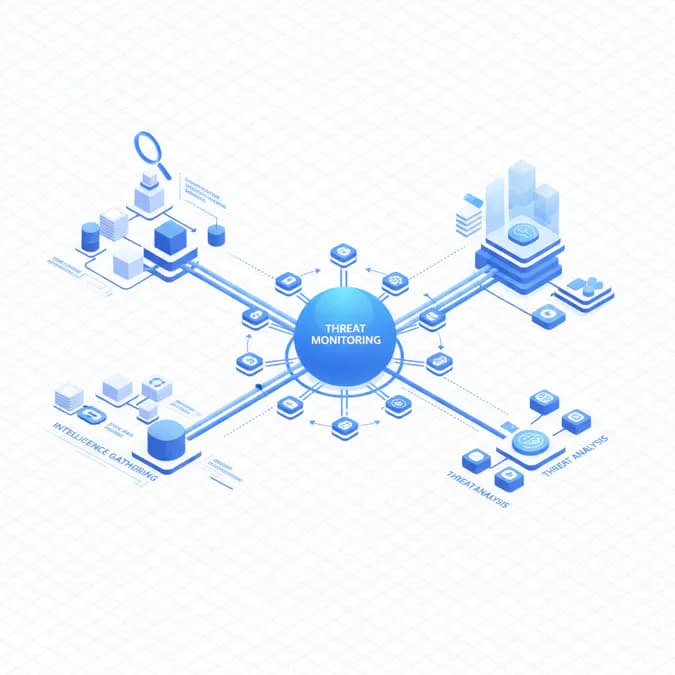
Continuous monitoring and threat intelligence enable organizations to detect attacks early and stay informed about emerging threats. Security information and event management (SIEM) systems aggregate logs from across the organization, enabling analysts to identify suspicious patterns. Threat intelligence feeds provide information about known threat actors, their tactics, and indicators of compromise.
Data Protection Strategies
Data protection strategies including encryption, data classification, and access controls help minimize the impact of successful breaches. Organizations should encrypt sensitive data both in transit and at rest, classify data based on sensitivity, and implement access controls limiting who can view and modify data. Regular backups stored offline and tested regularly provide recovery options if data is encrypted by ransomware.
The Role of Emerging Technologies
Emerging technologies offer both opportunities and challenges for cybersecurity. Artificial intelligence and machine learning can enhance threat detection and automate response actions, but also introduce new attack vectors. Blockchain technology is being explored for securing critical infrastructure and supply chains, though implementation challenges remain. Quantum computing poses a future threat to current encryption methods, prompting organizations to begin transitioning to quantum-resistant algorithms.
Organizations should evaluate emerging technologies based on their specific security needs and operational requirements. Pilot programs and proof-of-concept implementations help assess effectiveness before full deployment. Staying informed about technology developments and their security implications is essential for maintaining a competitive advantage against threat actors.
Industry-Specific Cybersecurity Considerations
Different industries face unique cybersecurity challenges and regulatory requirements:
- Healthcare: Must balance security with patient care delivery and comply with HIPAA regulations.
- Financial Services: Face sophisticated fraud schemes and must meet PCI DSS compliance requirements.
- Critical Infrastructure: Must protect systems that affect public safety and national security.
- Manufacturing: Must defend both information technology and operational technology systems.
Organizations should develop industry-specific security strategies that address sector-specific threats and regulatory requirements. Participating in industry information sharing groups and attending sector-specific conferences helps organizations stay informed about threats and best practices relevant to their industry.
Key Takeaways for Your Organization
The increasing frequency and sophistication of cyber attacks demand that organizations take cybersecurity seriously at all levels. Recent incidents demonstrate that no organization is immune to attacks, regardless of size or industry. However, organizations that implement comprehensive security strategies, maintain strong incident response capabilities, and foster a security-conscious culture are better positioned to detect, respond to, and recover from attacks.
Investing in cybersecurity is not merely a cost center but a business imperative. The financial impact of successful attacks—including recovery costs, regulatory fines, reputational damage, and lost business—far exceeds the cost of implementing robust security measures. Organizations should view cybersecurity as an ongoing process of assessment, improvement, and adaptation rather than a one-time implementation.
Conclusion
Cyber attacks continue to evolve in sophistication and scope, exposing sensitive data and disrupting critical operations across industries. By understanding recent incidents, recognizing emerging trends, and implementing comprehensive defense strategies, organizations can significantly reduce their risk. The lessons from recent cyber attacks emphasize the importance of layered defenses, rapid response capabilities, employee awareness, and continuous monitoring. As threats continue to evolve, organizations must remain vigilant, informed, and committed to strengthening their cybersecurity posture. The investment in robust cybersecurity measures today protects organizational assets, maintains customer trust, and ensures business continuity in an increasingly hostile threat environment.
Frequently Asked Questions (FAQ)
What are the most common types of cyber attacks?
The most common types of cyber attacks include phishing, ransomware, malware, and denial-of-service attacks. Each of these attacks targets different vulnerabilities and can have significant impacts on organizations.
How can organizations prepare for cyber attacks?
Organizations can prepare for cyber attacks by implementing comprehensive security strategies, conducting regular risk assessments, training employees on security best practices, and developing incident response plans.
What role does employee training play in cybersecurity?
Employee training is crucial in cybersecurity as it helps create a security-conscious culture and equips employees with the knowledge to recognize and respond to potential threats, such as phishing attempts.
How can organizations improve their incident response capabilities?
Organizations can improve their incident response capabilities by developing detailed incident response plans, conducting regular training and simulations, and ensuring clear communication channels during an incident.
Why is continuous monitoring important for cybersecurity?
Continuous monitoring is essential for cybersecurity as it allows organizations to detect threats early, respond promptly, and stay informed about emerging threats and vulnerabilities in their systems.
Table of Contents
- Understanding Recent Cyber Attacks and Emerging Threats
- The Evolving Threat Landscape
- Key Lessons from Recent Incidents
- Emerging Cybersecurity Trends Shaping Defense
- Strengthening Cybersecurity Defenses
- The Role of Emerging Technologies
- Industry-Specific Cybersecurity Considerations
- Key Takeaways for Your Organization
- Conclusion
- Frequently Asked Questions (FAQ)